Evolution of Central Cooling Systems
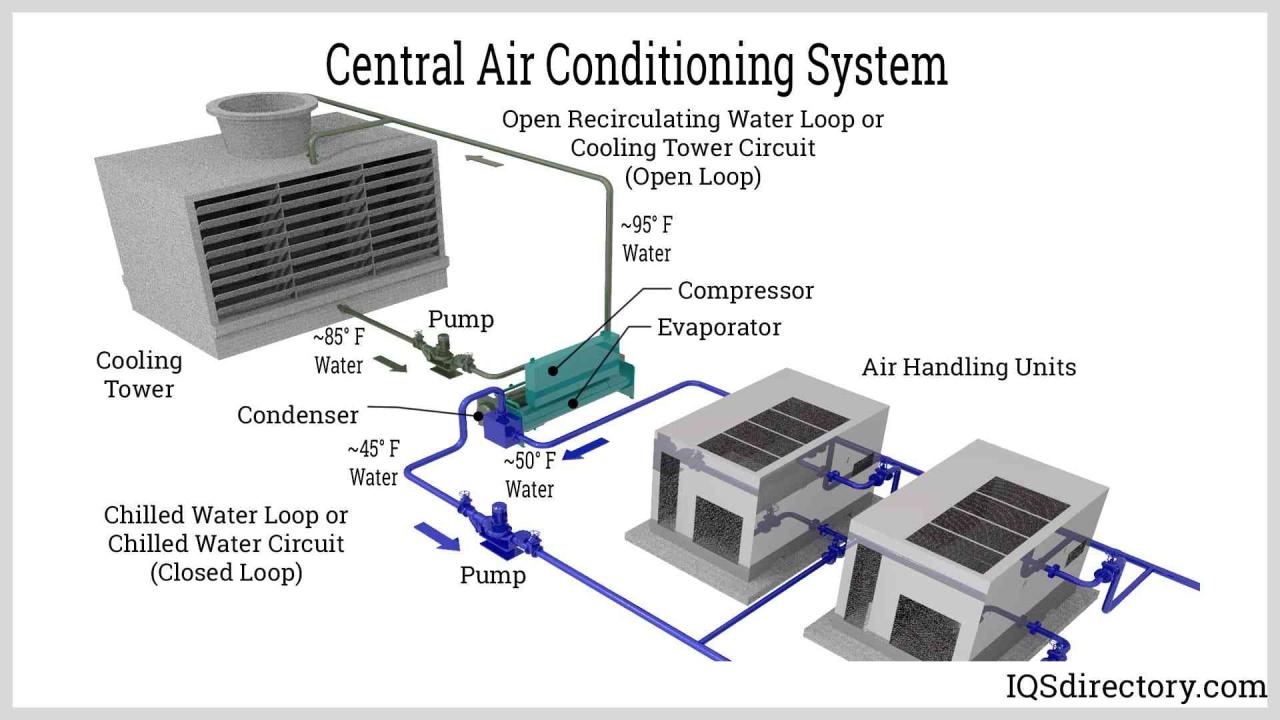
Central cooling systems have come a long way since their inception, evolving significantly over the years to become more efficient and effective in providing comfort to residential and commercial spaces. The historical development of central cooling systems dates back to the early 20th century when modern air conditioning technology began to emerge.Key innovations that have shaped central cooling systems over time include the introduction of refrigerants, the development of more energy-efficient compressors, and the implementation of smart technology for better control and monitoring.
These advancements have not only improved the performance of central cooling systems but also reduced their environmental impact by increasing energy efficiency and lowering greenhouse gas emissions.When comparing traditional central cooling systems with modern advancements, it is evident that newer systems are more sustainable, cost-effective, and reliable.
Traditional systems were often bulky, noisy, and less efficient, requiring frequent maintenance and consuming more electricity. In contrast, modern central cooling systems are compact, quiet, and equipped with advanced features such as programmable thermostats, variable-speed compressors, and zoning capabilities. These improvements have made central cooling systems more user-friendly and environmentally friendly, contributing to a more comfortable and energy-efficient indoor environment.
Energy-Efficient Technologies in Central Cooling
In recent years, central cooling systems have seen a significant shift towards incorporating energy-efficient technologies. These innovations not only help reduce energy consumption but also have a positive impact on the environment and cost savings for consumers.
Smart Thermostats
Smart thermostats are one of the latest energy-efficient technologies used in central cooling systems. These devices are designed to learn the occupants' schedule and preferences, adjusting the temperature accordingly. By optimizing the cooling cycles based on actual usage patterns, smart thermostats help reduce energy waste and improve overall efficiency.
Variable Speed Compressors
Another key technology in energy-efficient central cooling systems is the use of variable speed compressors. Unlike traditional single-speed compressors, these systems can adjust the cooling output based on the cooling demand. By operating at lower speeds when less cooling is needed, variable speed compressors consume less energy and provide better comfort control.
Energy Recovery Ventilation
Energy recovery ventilation systems are also becoming popular in central cooling setups. These systems help exchange stale indoor air with fresh outdoor air while recovering the energy from the outgoing air. By pre-cooling or pre-heating the incoming air using the energy from the exhaust air, energy recovery ventilation systems reduce the workload on the cooling system, leading to energy savings.
Environmental Benefits
The adoption of energy-efficient technologies in central cooling systems not only reduces energy consumption but also helps lower greenhouse gas emissions. By consuming less energy, these systems contribute to a smaller carbon footprint, promoting environmental sustainability and combating climate change.
Cost Savings for Consumers
Energy-efficient technologies in central cooling systems result in significant cost savings for consumers. By reducing energy consumption, homeowners can lower their utility bills and enjoy long-term savings. Additionally, many energy-efficient systems qualify for rebates and incentives, further enhancing the financial benefits for consumers.
Smart Thermostats and Automation
Smart thermostats have revolutionized the way we control the temperature in our homes, especially when integrated with central cooling systems. These devices are designed to learn your preferences and adjust settings automatically to optimize energy usage and ensure a comfortable environment.
Integration of Smart Thermostats
Smart thermostats can be seamlessly integrated with central cooling systems, allowing for remote access and control. This means you can adjust the temperature of your home from anywhere using your smartphone or other connected devices. The ability to set schedules and customize settings based on your daily routine helps improve energy efficiency and reduce utility costs.
Automation Features for Efficiency
Automation features in smart thermostats enable the system to adapt to changes in occupancy and weather conditions. By utilizing sensors and algorithms, these devices can optimize cooling performance without the need for manual intervention
Impact on User Comfort and Convenience
The impact of smart thermostats on user comfort and convenience is significant. With features like geofencing and learning algorithms, these devices can anticipate your needs and adjust settings accordingly. This results in a more comfortable living environment and eliminates the hassle of constantly adjusting the thermostat manually.
Sustainable Cooling Solutions
As the focus on sustainability continues to grow, heating and air companies are implementing various sustainable cooling solutions to reduce environmental impact and improve energy efficiency.
Examples of Sustainable Cooling Solutions
- Utilizing geothermal heat pumps to harness the stable temperature of the earth for cooling purposes.
- Installing high-efficiency HVAC systems that consume less energy while providing optimal cooling performance.
- Integrating solar-powered technologies to power cooling systems and reduce reliance on traditional electricity sources.
Importance of Sustainability in Central Cooling Systems
Sustainability in central cooling systems is crucial in mitigating the environmental impact of HVAC operations. By adopting sustainable practices, companies can minimize energy consumption, reduce greenhouse gas emissions, and promote a cleaner and greener future.
How Sustainable Practices Reduce Carbon Footprint
Implementing sustainable practices such as using energy-efficient equipment, optimizing system performance, and incorporating renewable energy sources can significantly reduce the carbon footprint of cooling systems. By minimizing energy wastage and utilizing eco-friendly technologies, heating and air companies can contribute to a more sustainable environment.
Advances in Air Purification
Air purification technologies for central cooling systems have seen significant advancements in recent years, providing numerous benefits for both indoor air quality and overall system performance.
Improved Filtration Systems
- New filtration systems, such as HEPA filters and UV-C light filters, are highly effective in capturing airborne particles and eliminating harmful pathogens.
- These advanced filters can reduce allergens, dust, mold spores, and even viruses, creating a healthier indoor environment for occupants.
- By removing these contaminants, air purification systems also help prevent the buildup of debris within the cooling system, leading to improved efficiency and longevity.
Enhanced Air Circulation
- Modern air purification systems are designed to work in conjunction with the central cooling system to ensure proper air circulation throughout the space.
- By continuously filtering and circulating the air, these systems help maintain a consistent level of air quality and comfort for occupants.
- Improved air circulation also helps distribute cool air more efficiently, reducing energy consumption and improving overall cooling performance.
Smart Air Purification Technology
- Some air purification systems now come equipped with smart technology features, allowing for remote monitoring and control via mobile devices.
- These smart systems can automatically adjust filtration levels based on real-time air quality data, ensuring optimal performance and energy efficiency.
- By integrating smart air purification technology with central cooling systems, homeowners can enjoy cleaner air and enhanced comfort with minimal effort.
User Queries
What are some key innovations that have shaped central cooling systems over time?
Some key innovations include the transition from traditional refrigerants to environmentally-friendly options, the development of variable-speed compressors, and the integration of smart technologies for enhanced control and efficiency.
How do energy-efficient technologies contribute to cost savings for consumers?
Energy-efficient technologies reduce energy consumption, resulting in lower utility bills for consumers. By optimizing cooling processes and reducing wasted energy, these innovations lead to long-term cost savings for homeowners and businesses.
What sustainable cooling solutions are commonly adopted by heating and air companies?
Heating and air companies often implement solutions like geothermal cooling, solar-powered systems, and eco-friendly refrigerants to promote sustainability. These practices not only reduce environmental impact but also align with the growing demand for eco-conscious HVAC solutions.

![Best HVAC Advertising Ideas [Examples Included] | Rival Digital](https://au.radarcirebon.tv/wp-content/uploads/2026/06/Screen-Shot-2022-09-30-at-12.35.47-PM-75x75.png)









![Best HVAC Advertising Ideas [Examples Included] | Rival Digital](https://au.radarcirebon.tv/wp-content/uploads/2026/06/Screen-Shot-2022-09-30-at-12.35.47-PM-120x86.png)