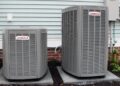
Importance of Spring Air Conditioner Tune Up

As the warmer months approach, it's essential to ensure your air conditioner is in top condition to handle the upcoming summer surge.
Benefits of Getting an Air Conditioner Tune-Up
- Improved Efficiency: A well-maintained air conditioner operates more efficiently, leading to lower energy bills.
- Extended Lifespan: Regular tune-ups can help prolong the lifespan of your air conditioner, saving you money on premature replacements.
- Enhanced Comfort: A properly tuned air conditioner can provide better cooling and air quality, creating a more comfortable indoor environment.
Preventing Breakdowns and Saving Money
Regular maintenance, such as spring tune-ups, can help identify and address potential issues before they escalate into costly breakdowns. By investing in preventative care, you can save money on emergency repairs and ensure your air conditioner operates smoothly throughout the summer.
Components of a Spring Air Conditioner Tune Up
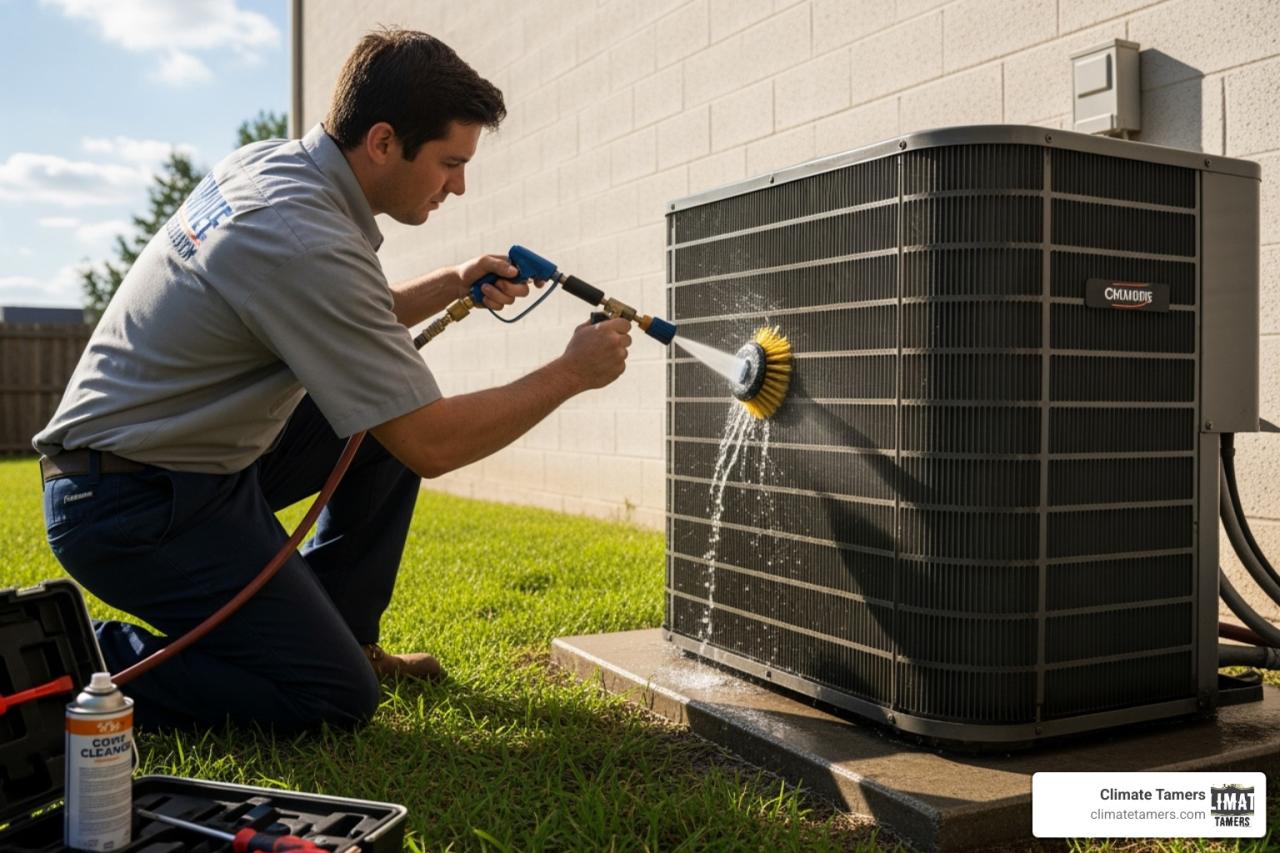
Maintaining your air conditioner through a spring tune-up is crucial to ensure optimal performance during the hot summer months. Let's dive into the key components that should be checked during a tune-up.
Cleaning or Replacing Air Filters
One of the most important tasks during a spring air conditioner tune-up is cleaning or replacing the air filters. Dirty filters can restrict airflow, reducing the efficiency of your unit and causing it to work harder to cool your home.
This can lead to higher energy bills and potential damage to the system over time.
Checking Refrigerant Levels and the Condenser Coil
Another vital component of a spring tune-up is checking the refrigerant levels and the condition of the condenser coil. Low refrigerant levels can indicate a leak in the system, which can lead to poor cooling performance and increased energy consumption.
Additionally, a dirty or blocked condenser coil can prevent proper heat transfer, making your air conditioner less efficient.
DIY vs. Professional Tune Up
When it comes to getting your air conditioner ready for the summer season, you might be wondering whether you should tackle the tune-up yourself or hire a professional. Both options have their advantages, so let's break it down to help you make an informed decision.
Advantages of Hiring a Professional
- Expertise: HVAC professionals have the knowledge and experience to identify and address any issues with your air conditioner.
- Efficiency: Professionals can complete a thorough tune-up in a timely manner, ensuring your system is ready to keep you cool all summer long.
- Warranty: Some manufacturers require professional maintenance to keep the warranty valid, so hiring a pro can give you peace of mind.
Advantages of DIY Tune-Up
- Cost Savings: Performing basic maintenance tasks yourself can help you save money on service fees.
- Regular Maintenance: DIY tune-ups allow you to stay on top of your air conditioner's maintenance schedule and address minor issues before they become major problems.
- Personal Satisfaction: Taking care of your air conditioner yourself can give you a sense of accomplishment and control over your home maintenance.
Tips for Homeowners Performing DIY Maintenance
- Change or clean the air filter regularly to ensure proper airflow.
- Clean the outdoor unit by removing debris and vegetation to prevent airflow blockages.
- Inspect the ductwork for leaks or damage and seal any gaps to improve efficiency.
- Check the thermostat settings and calibrate if necessary to ensure accurate temperature control.
When to Seek Professional Help
- If your air conditioner is making strange noises or emitting unusual odors, it's best to call a professional for a thorough inspection.
- If you notice a decrease in cooling performance or uneven temperatures in different rooms, a professional can diagnose and fix the issue.
- For complex tasks like refrigerant recharge or electrical repairs, it's safer and more effective to rely on a trained technician.
Signs Your Air Conditioner Needs a Tune Up
Regular maintenance of your air conditioner is essential to ensure it operates efficiently during the summer months. Ignoring signs that indicate your AC needs a tune-up can lead to costly repairs or even complete system breakdowns. Here are some common signs to look out for:
Strange Noises
- Screeching, grinding, or banging noises coming from your air conditioner can indicate issues with the fan belt, motor bearings, or other internal components.
- Ignoring these noises can lead to further damage and potentially costly repairs down the line.
Poor Airflow
- If you notice weak airflow coming from your vents, it could be due to clogged air filters, ductwork issues, or a malfunctioning blower motor.
- Poor airflow not only affects your comfort but also puts added strain on your AC system, reducing its lifespan.
Uneven Cooling
- If some rooms in your home are significantly warmer or cooler than others, it could be a sign of an imbalance in your air conditioner's cooling capacity.
- An uneven cooling pattern often indicates issues with ductwork, refrigerant levels, or thermostat calibration.
Regular tune-ups by a professional HVAC technician can help address these issues early on, ensuring your air conditioner operates efficiently and effectively. By addressing these warning signs promptly, you can prevent major breakdowns and extend the lifespan of your AC system.
Cost of a Spring Air Conditioner Tune Up
![Best HVAC Advertising Ideas [Examples Included] | Rival Digital](https://au.radarcirebon.tv/wp-content/uploads/2026/06/Screen-Shot-2022-09-30-at-12.35.47-PM.png "Best HVAC Advertising Ideas [Examples Included] | Rival Digital")
When it comes to getting your air conditioner ready for the summer months, the cost of a professional tune-up is an important factor to consider. Understanding the average cost, factors that influence the price, and how to find affordable yet reliable HVAC services can help you make informed decisions.
Average Cost of a Professional Tune-Up
On average, a professional air conditioner tune-up can cost anywhere from $75 to $200. This cost may vary depending on the size of your unit, its age, and the extent of the service provided. Some HVAC companies may offer package deals or discounts for regular maintenance agreements.
Factors Affecting the Price of a Tune-Up Service
- The size and type of your air conditioning unit
- The age and condition of the unit
- The complexity of the system
- Additional services or repairs needed
- Location and accessibility of the unit
Tips for Finding Affordable Yet Reliable HVAC Services
- Research and compare prices from multiple HVAC companies
- Ask for recommendations from family and friends
- Look for HVAC companies that offer specials or discounts
- Inquire about financing or payment plans
- Check for certifications and licenses to ensure quality service
DIY Maintenance Tips for Air Conditioners
Regular maintenance of your air conditioner is essential to ensure optimal performance and longevity. While professional tune-ups are recommended, there are some maintenance tasks you can do yourself to keep your air conditioner running smoothly. Here are some DIY maintenance tips to help you maintain your air conditioner:
Cleaning Air Conditioner Coils
One important DIY maintenance task for air conditioners is cleaning the coils. Over time, dirt and debris can accumulate on the coils, reducing the efficiency of your unit. Here is a step-by-step guide to help you clean your air conditioner coils:
- Turn off the power to the air conditioner.
- Remove any debris or obstructions from around the unit.
- Use a soft brush to gently clean the coils, being careful not to bend them.
- Spray the coils with a coil cleaner and let it sit for a few minutes.
- Rinse the coils thoroughly with water and allow them to dry completely before turning the power back on.
Cleaning and Maintaining Air Conditioner Filters
Clean air filters are essential for proper airflow and efficiency of your air conditioner. Here's how you can properly clean and maintain your air conditioner filters:
- Turn off the power to the air conditioner.
- Locate the air filters and remove them from the unit.
- Use a vacuum cleaner or wash the filters with water and mild detergent to remove dirt and debris.
- Allow the filters to dry completely before placing them back in the unit.
- Regularly check and clean or replace filters every 1-3 months, depending on usage.
Tips for Improving Air Conditioner Efficiency at Home
In addition to cleaning coils and filters, there are other steps you can take to improve the efficiency of your air conditioner:
- Ensure proper insulation in your home to keep cool air inside.
- Use ceiling fans to help circulate air and reduce the load on your air conditioner.
- Keep curtains or blinds closed during the hottest part of the day to reduce heat gain.
- Set your thermostat to a higher temperature when you're away to save energy.
Q&A
Why is a Spring Air Conditioner Tune Up important?
Regular tune-ups ensure your air conditioner operates efficiently during the summer, preventing breakdowns and saving money in the long run.
What are the key components checked during a tune-up?
Components like air filters, refrigerant levels, and condenser coils are crucial for optimal AC performance.
Is it better to hire a professional or do a DIY tune-up?
While DIY maintenance is possible, professionals offer expertise and ensure thorough checks for better long-term efficiency.
What are common signs that indicate the need for a tune-up?
Strange noises, poor airflow, or uneven cooling are red flags that your AC requires maintenance.
How can I find affordable HVAC services for a tune-up?
Researching and comparing prices, along with seeking referrals, can help you find reliable yet affordable HVAC services.












![Best HVAC Advertising Ideas [Examples Included] | Rival Digital](https://au.radarcirebon.tv/wp-content/uploads/2026/06/Screen-Shot-2022-09-30-at-12.35.47-PM-120x86.png)