Importance of Emergency HVAC Repair
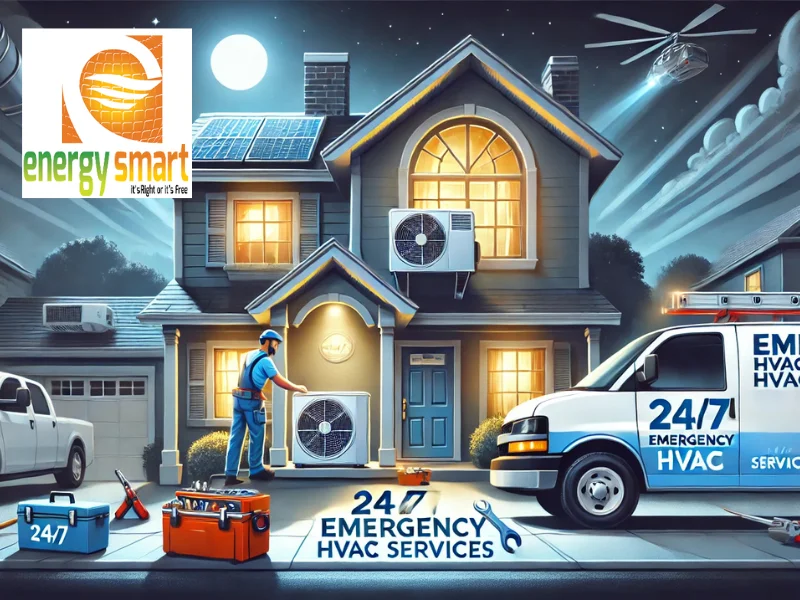
Emergency HVAC repair services play a crucial role in ensuring the comfort and safety of homeowners, especially during unexpected breakdowns or malfunctions.
Immediate Response
Immediate repair is necessary in situations where the HVAC system stops working completely, especially during extreme weather conditions.
- For example, during a heatwave, a malfunctioning air conditioner can lead to heat-related illnesses or discomfort for residents.
- Similarly, in the winter, a broken furnace can result in freezing temperatures inside the home, posing a risk of hypothermia.
Risks of Delay
Delaying HVAC repairs during emergencies can exacerbate the problem and lead to further complications.
- Continuing to use a faulty HVAC system can cause more extensive damage, resulting in higher repair costs in the long run.
- Moreover, compromised indoor air quality due to a malfunctioning HVAC system can lead to respiratory issues and allergies for residents.
Transparency in Pricing
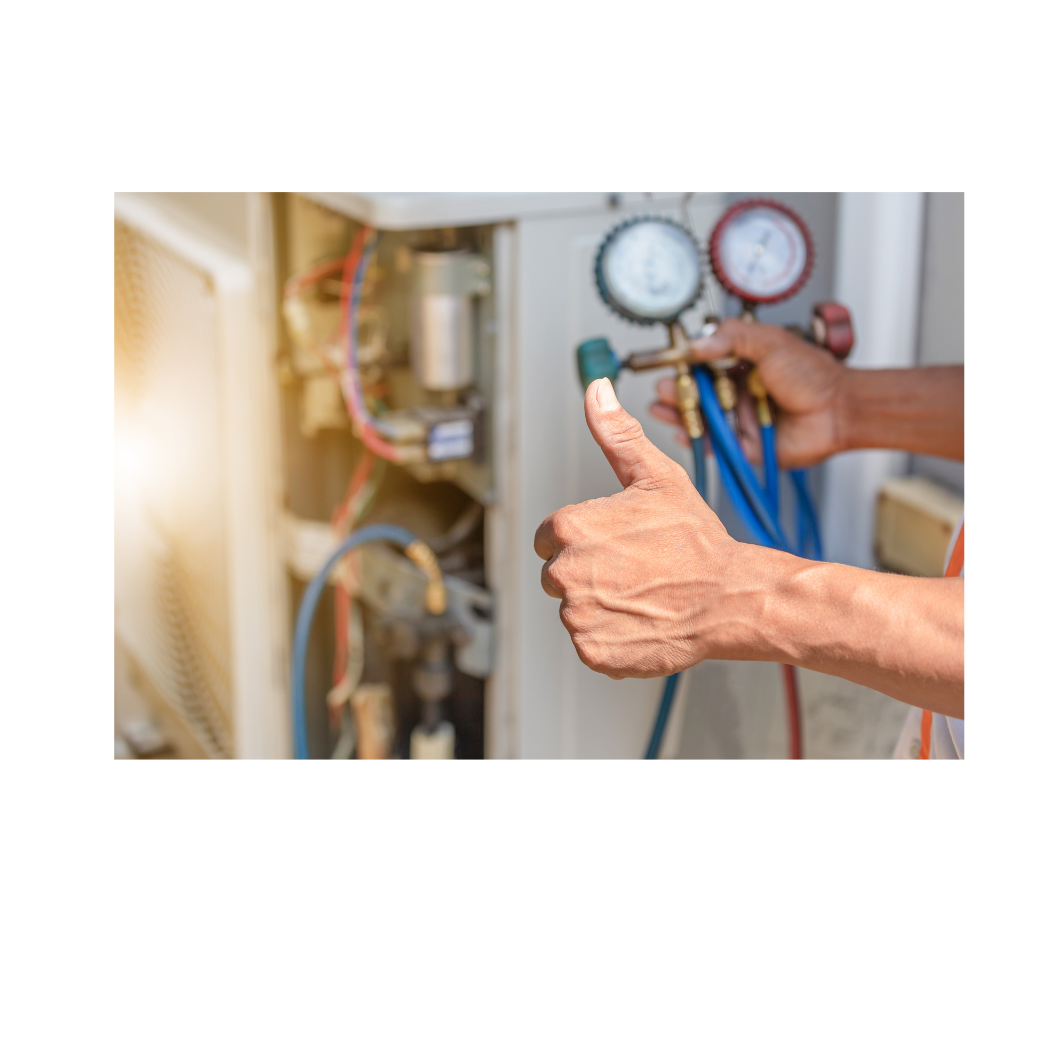
Transparency in pricing for HVAC repair services refers to openly communicating the costs involved in the repair process to the customers. This includes providing clear breakdowns of charges, fees, and any additional costs that may arise during the repair work.
Benefits of Transparent Pricing
- Builds Trust: By being upfront about pricing, HVAC repair companies can build trust with their customers, leading to long-term relationships.
- Prevents Surprises: Transparent pricing helps customers avoid unexpected costs or hidden fees, allowing them to budget accordingly.
- Empowers Customers: When customers have a clear understanding of pricing, they can make informed decisions and feel more in control of the repair process.
Common Pricing Models
- Flat Rate Pricing: In this model, HVAC repair companies charge a fixed rate for specific services, regardless of the time or labor involved.
- Time and Material: This model charges customers based on the time spent on repairs and the materials used, providing a more accurate reflection of the actual costs.
- Cost-Plus Pricing: With this model, customers are charged the actual cost of repairs plus a predetermined profit margin for the company.
Factors Affecting Emergency HVAC Repair Costs
When it comes to emergency HVAC repair costs, several factors play a crucial role in determining the final price you'll pay. Understanding these factors can help you anticipate potential expenses and make informed decisions when facing an HVAC emergency
Complexity of the Issue
The complexity of the HVAC issue at hand is a significant factor that can impact repair costs. More complicated problems, such as a faulty compressor or a refrigerant leak, may require specialized parts, tools, and expertise to fix. As a result, the more intricate the problem, the higher the repair costs are likely to be.
Location and Time of Service
The location and time of service can also influence how much you'll pay for emergency HVAC repairs. Repair costs may vary depending on where you are located, as labor rates and overhead expenses can differ from one area to another.
Additionally, receiving emergency HVAC repair services during off-hours or weekends may incur additional charges due to the urgency and inconvenience of the service.
Finding Reliable HVAC Repair Services Near Me
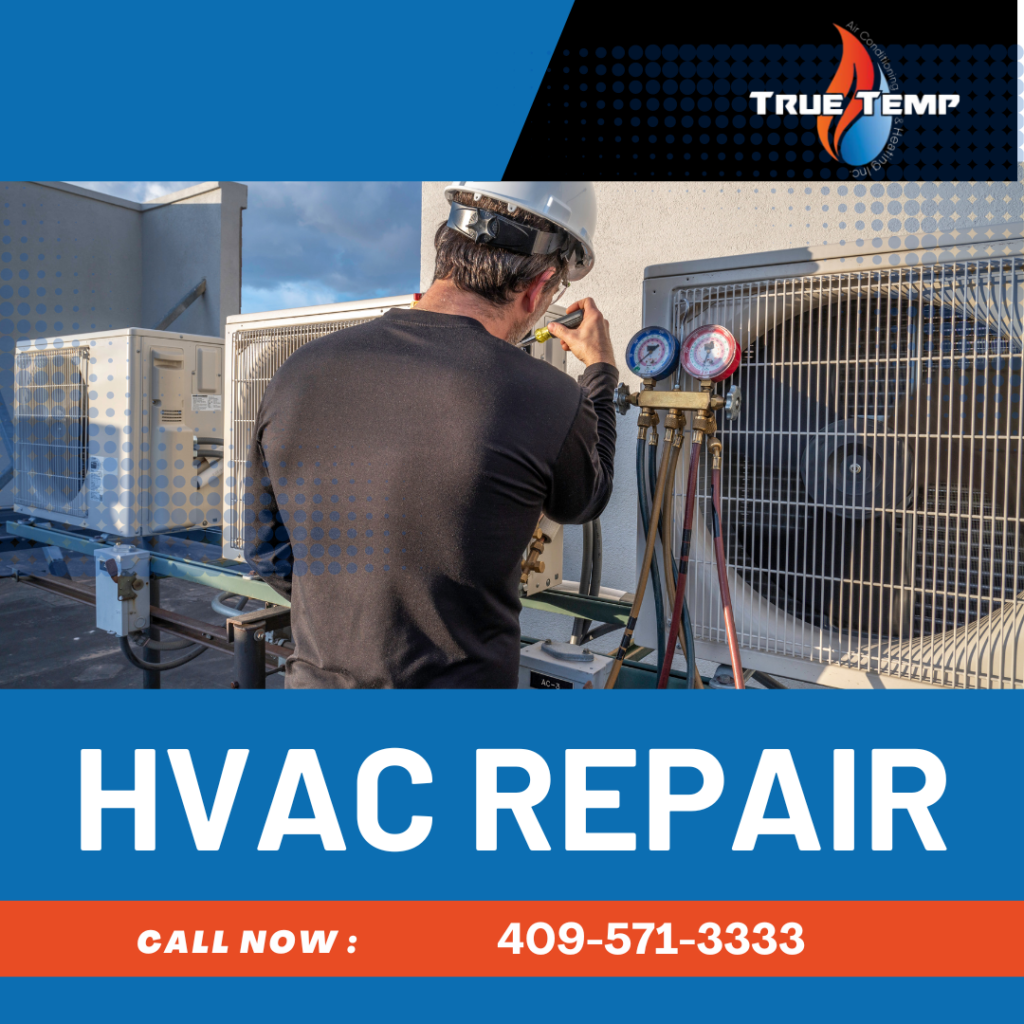
Finding a reliable HVAC repair service near you is crucial to ensure that your heating and cooling systems are in good hands. Here are some tips to help you find trustworthy HVAC repair companies in your area:
Check Reviews and Testimonials
Before hiring an HVAC repair service, make sure to check online reviews and testimonials from previous customers. This will give you insight into the quality of service provided by the company and help you make an informed decision.
- Look for reviews on platforms such as Google, Yelp, or the company's website.
- Pay attention to recurring positive or negative comments to gauge the overall reputation of the company.
- Consider reaching out to friends or family for recommendations based on their experiences.
Verify Credibility and Expertise
It's essential to verify the credibility and expertise of HVAC repair technicians before allowing them to work on your systems. Here are some ways to ensure you are hiring qualified professionals:
- Check if the company is licensed and insured to perform HVAC repairs in your area.
- Inquire about the technician's certifications and ongoing training to stay updated on industry standards.
- Ask for references or examples of past work to assess the technician's experience and skill level.
FAQ Explained
Why is emergency HVAC repair important?
Emergency HVAC repair services are crucial for homeowners to ensure the safety and comfort of their living environment, especially during extreme weather conditions.
What does transparent pricing in HVAC repair mean?
Transparent pricing in HVAC repair refers to clear and upfront pricing information provided to customers, ensuring they understand the costs involved without hidden fees or surprises.
How can I find reliable HVAC repair services near me?
To find trustworthy HVAC repair companies in your area, you can ask for recommendations from friends or family, check online reviews, and verify the credibility and expertise of technicians before hiring.








![Best HVAC Advertising Ideas [Examples Included] | Rival Digital](https://au.radarcirebon.tv/wp-content/uploads/2026/06/Screen-Shot-2022-09-30-at-12.35.47-PM-120x86.png)