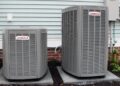
Factors to Consider Before Buying an Air Conditioner Replacement
When it comes to purchasing a new air conditioner, there are several key factors to consider to ensure you make the right choice for your space and needs. From energy efficiency to the type of air conditioner, each aspect plays a crucial role in the decision-making process.
Importance of Energy Efficiency
Energy efficiency is a crucial factor to consider when buying an air conditioner replacement. An energy-efficient unit can help you save on electricity bills in the long run while reducing your carbon footprint. Look for units with a high Energy Efficiency Ratio (EER) or Seasonal Energy Efficiency Ratio (SEER) to ensure optimal performance and cost savings.
Types of Air Conditioners
There are different types of air conditioners available in the market, each suitable for specific spaces and cooling needs. Understanding the differences between central, window, and portable air conditioners can help you make an informed decision.
- Central Air Conditioners:Ideal for cooling larger spaces, such as entire homes or buildings. They offer consistent cooling throughout the space but require installation by a professional.
- Window Air Conditioners:Perfect for cooling individual rooms or small apartments. They are easy to install and more affordable than central units.
- Portable Air Conditioners:Versatile units that can be moved from room to room. They are easy to install and suitable for spaces where permanent installation is not possible.
Sizing and Capacity Requirements
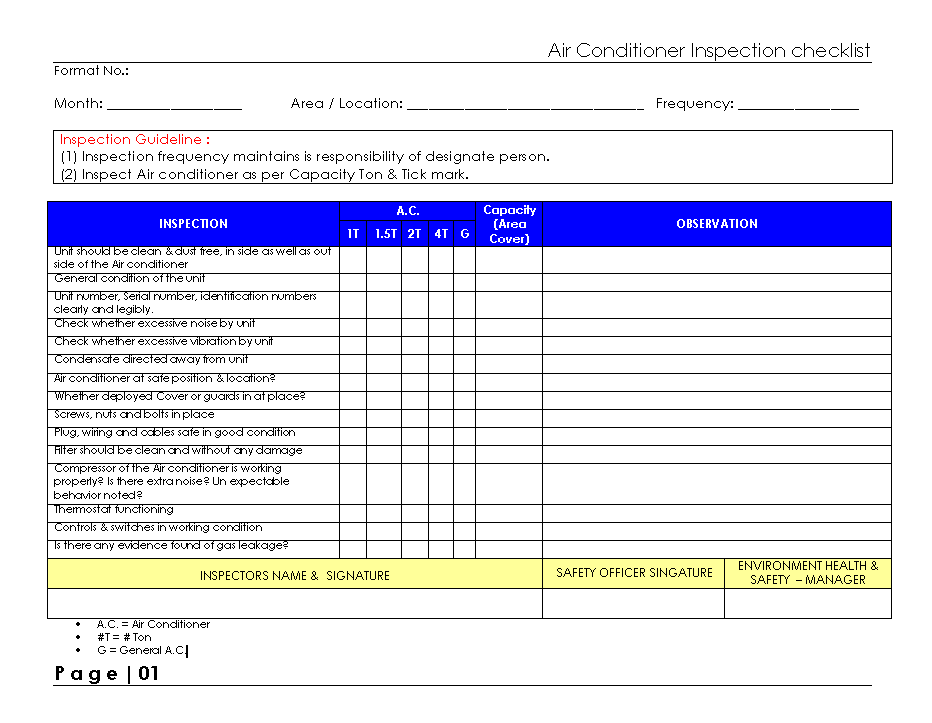
When it comes to replacing an air conditioner, getting the right size and capacity is crucial for optimal performance and efficiency. Incorrect sizing can lead to energy wastage and discomfort in your space.
Determining the Appropriate Capacity
Determining the appropriate capacity for your air conditioner replacement involves a few key steps:
- Calculate the square footage of the space you want to cool. Measure the length and width of each room and multiply them to get the total square footage.
- Consider other factors such as ceiling height, insulation, and the number of windows in the room. These can impact the cooling load requirements.
- Use a cooling capacity chart or calculator provided by manufacturers to match the square footage to the recommended capacity in BTUs (British Thermal Units).
- Factor in any unique circumstances in your space, such as high ceilings or excessive sunlight exposure, which may require additional cooling capacity.
Remember, it's better to slightly oversize than undersize your air conditioner to ensure optimal performance and efficiency.
Impact of Incorrect Sizing
Having an undersized or oversized air conditioner can have significant impacts on energy efficiency and comfort:
- Undersized Units:An undersized unit will struggle to cool the space, leading to increased energy consumption as it runs continuously. This can result in higher utility bills and reduced comfort levels.
- Oversized Units:On the other hand, an oversized unit will cycle on and off frequently, leading to inefficient operation and poor humidity control. This can also result in higher energy costs and discomfort due to inconsistent temperatures.
Energy Efficiency Ratings and Savings
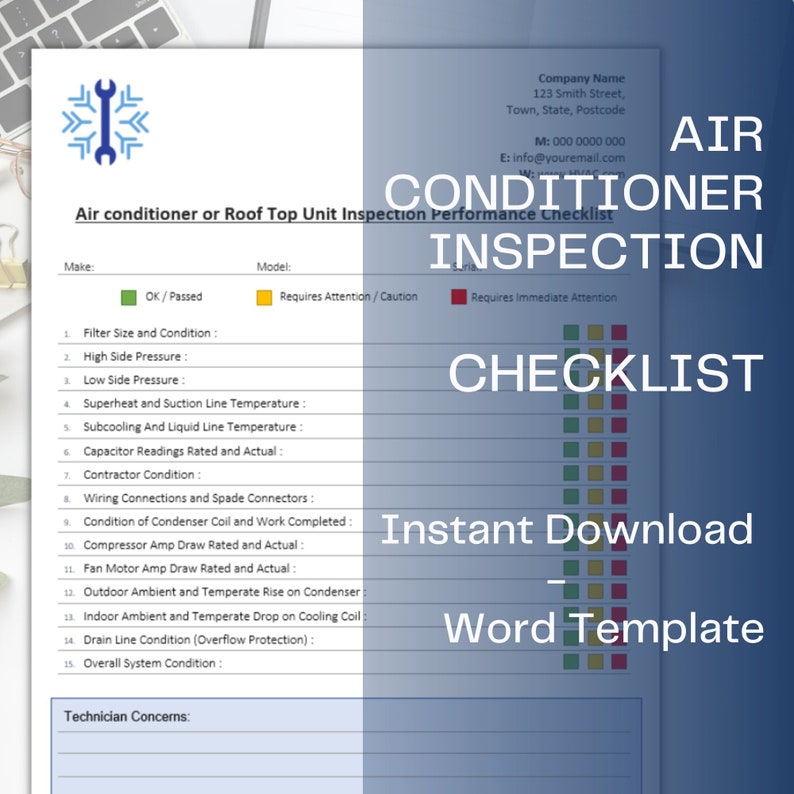
When it comes to choosing an air conditioner, considering the energy efficiency ratings is crucial for both cost-saving benefits and environmental impact. Understanding the significance of SEER ratings and how to choose an energy-efficient model can help you make an informed decision that will lead to long-term savings on your utility bills.
SEER Ratings Explained
SEER, which stands for Seasonal Energy Efficiency Ratio, is a measure of an air conditioner's efficiency over an entire cooling season. The higher the SEER rating, the more energy-efficient the unit is. Air conditioners with higher SEER ratings consume less electricity to produce the same amount of cooling compared to units with lower ratings.
This means that investing in a model with a higher SEER rating can result in significant savings on your energy bills over time.
Choosing an Energy-Efficient Air Conditioner
- Look for air conditioners with a SEER rating of 14 or higher to ensure optimal energy efficiency.
- Consider variable-speed air conditioners, which adjust their output based on the cooling needs of your home, leading to energy savings.
- Opt for ENERGY STAR certified models, which meet strict energy efficiency guidelines set by the U.S. Environmental Protection Agency.
- Proper installation and regular maintenance are essential to maximize the efficiency of your air conditioner and prolong its lifespan.
Long-Term Savings Benefits
Investing in an energy-efficient air conditioner may require a higher upfront cost, but the long-term savings can outweigh the initial investment. By reducing your energy consumption and lowering your utility bills, you can recoup the extra expenses over time. Additionally, energy-efficient models are often more durable and reliable, reducing the need for frequent repairs and replacements, further saving you money in the long run.
Installation Considerations and Costs
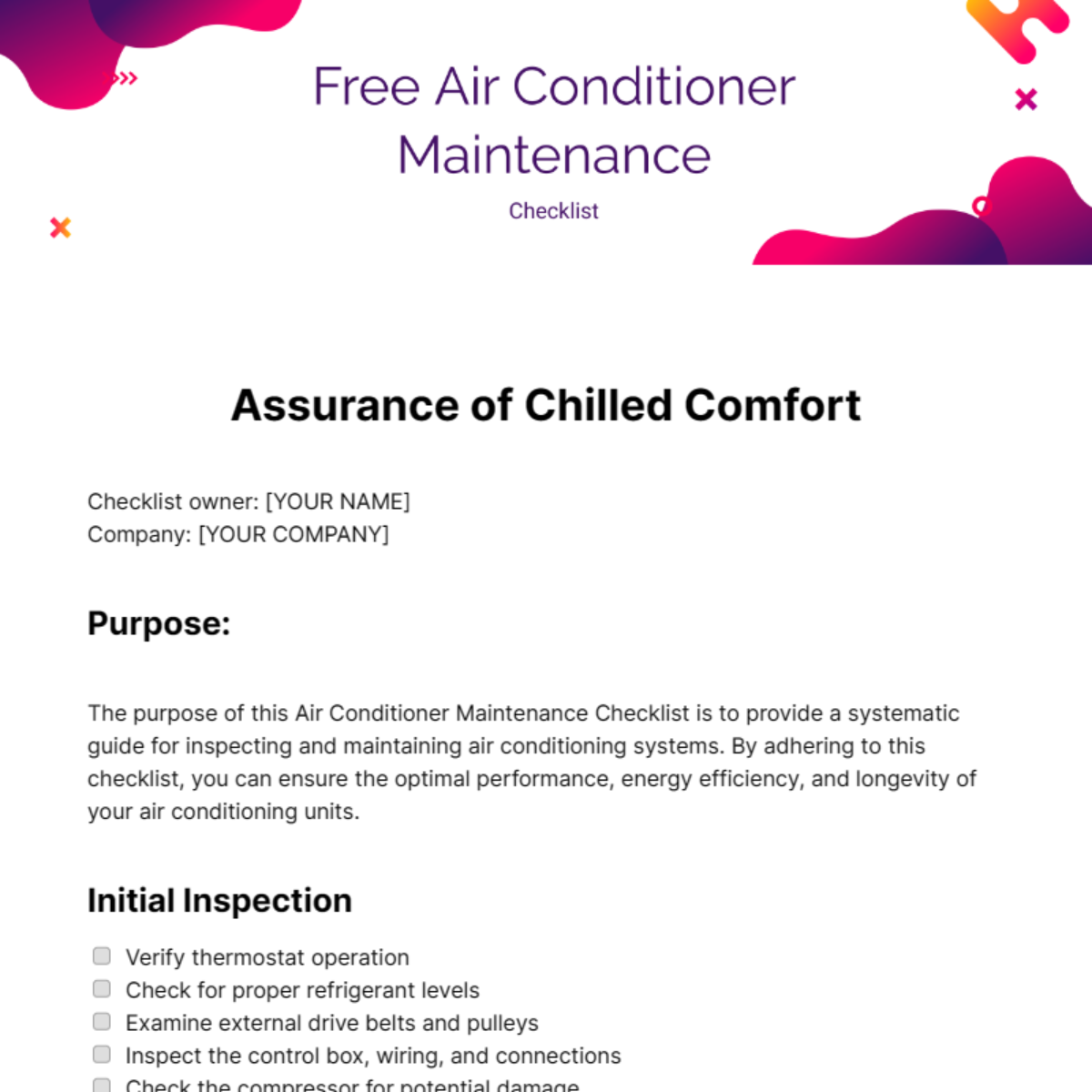
When replacing an air conditioner, it is crucial to consider the installation process and associated costs. Proper installation ensures optimal performance and efficiency of the new unit, while understanding the expenses involved can help you budget effectively.
Professional Installation vs. DIY Installation
Professional installation is highly recommended when replacing an air conditioner. Trained technicians have the expertise and experience to correctly install the unit, ensuring it operates efficiently and effectively. DIY installation may seem cost-effective initially, but improper installation can lead to performance issues and even safety hazards.
Breakdown of Costs
- Unit Cost: The price of the air conditioner unit itself can vary depending on the brand, size, and features. It is essential to choose a unit that fits your needs and budget.
- Installation Fees: Professional installation typically incurs a separate fee, covering labor costs and any additional materials needed for the installation process.
- Additional Fees: There may be extra costs associated with replacing an air conditioner, such as removal of the old unit, disposal fees, or any necessary upgrades to the existing ductwork or electrical system.
Frequently Asked Questions
How do I determine the right size for an air conditioner replacement?
Calculating the appropriate capacity involves considering the size of your space, insulation, and other factors. It's best to consult with a professional for an accurate assessment.
What are the benefits of choosing an energy-efficient air conditioner?
Energy-efficient models not only help you save on utility bills but also contribute to environmental conservation by reducing your carbon footprint.
Is DIY installation recommended for air conditioner replacements?
While some may opt for DIY installation to cut costs, professional installation ensures proper setup, maximizing efficiency and longevity of the unit.












![Best HVAC Advertising Ideas [Examples Included] | Rival Digital](https://au.radarcirebon.tv/wp-content/uploads/2026/06/Screen-Shot-2022-09-30-at-12.35.47-PM-120x86.png)