Delving into the realm of Solar Panels Without Smart Meter Legal Considerations, this article sheds light on the important aspects to consider when opting for this setup. From regulations to privacy concerns, explore the implications and intricacies of going smart meter-free with solar panels.
Exploring the legal landscape, privacy implications, data collection nuances, and maintenance challenges, this piece aims to provide a comprehensive guide for those interested in this alternative approach to solar panel installation.
Legal Considerations
Solar panels have become a popular choice for renewable energy generation, but there are legal considerations to keep in mind when installing them without a smart meter. When it comes to installing solar panels without a smart meter, the current legal requirements can vary depending on your location. Some regions may require homeowners to have a smart meter installed alongside their solar panels, while others may allow for solar panel installation without a smart meter. It is essential to check with local authorities or utility companies to understand the specific regulations in your area.Using solar panels without a smart meter can have implications for energy billing and monitoring. A smart meter allows for more accurate tracking of energy production and consumption, which can impact billing and incentives for solar panel owners. Without a smart meter, it may be more challenging to take advantage of feed-in tariffs or other incentive programs related to solar energy.Regulations and Restrictions
In some regions, there may be regulations or restrictions in place that require homeowners to have a smart meter installed when using solar panels. These regulations are often put in place to ensure the efficient and safe integration of renewable energy sources into the grid. It is essential to comply with these regulations to avoid any legal issues or penalties.Additionally, without a smart meter, it may be more challenging to monitor the performance of your solar panels and ensure they are operating efficiently. This lack of monitoring could potentially impact the lifespan and effectiveness of your solar energy system in the long run.Overall, it is crucial to understand the legal implications of using solar panels without a smart meter and to ensure compliance with any regulations or restrictions in your area.Privacy Concerns
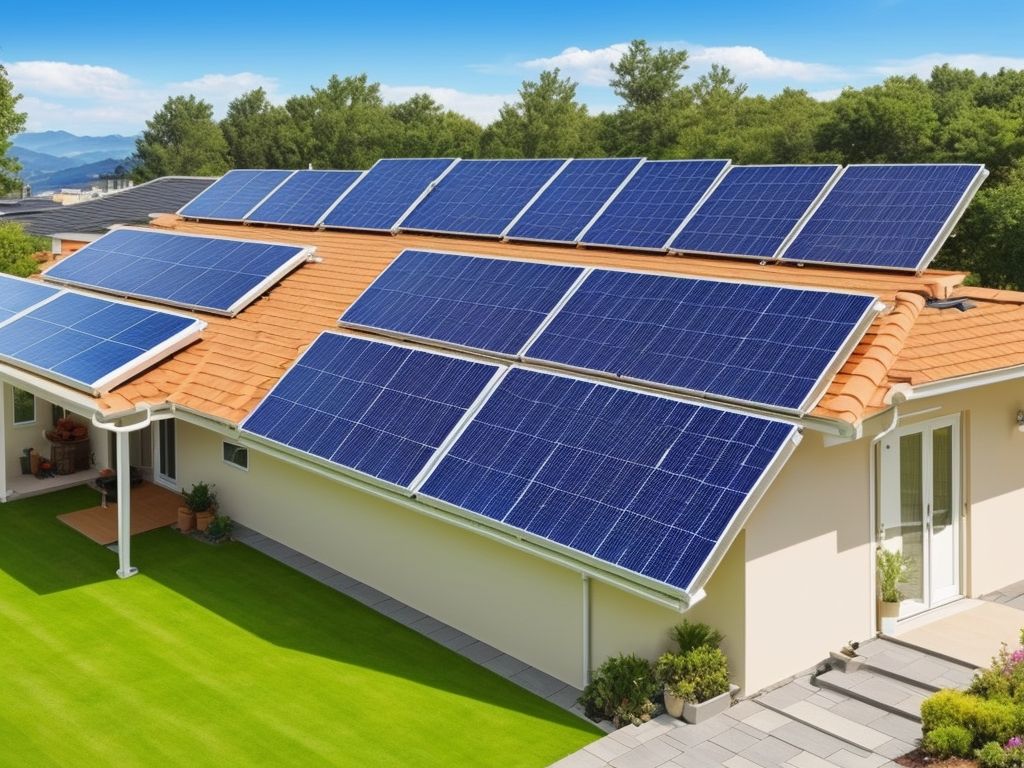
When opting for solar panels without a smart meter, privacy concerns can arise due to the lack of monitoring and data collection associated with traditional metering systems.
Impact on Privacy
In this scenario, the absence of a smart meter means that detailed information about energy usage, including patterns and fluctuations, may not be readily available to the utility company or other third parties. This lack of data can impact privacy by limiting the ability to track and analyze individual energy consumption habits.
Relevant Laws and Guidelines
While the specific regulations may vary by region, there are general privacy laws and guidelines that may be relevant when choosing solar panels without a smart meter. For example, data protection laws may dictate how personal information is collected, stored, and shared by utility companies or other entities involved in energy management.
Risks and Vulnerabilities
- The risk of unauthorized access to personal energy consumption data, potentially leading to privacy breaches or misuse of information.
- Vulnerabilities in the security of traditional metering systems, which may be less robust compared to smart meter technologies, exposing personal data to potential cyber threats.
- The potential for data interception during transmission between the meter and the utility company, raising concerns about data integrity and confidentiality.
Data Collection and Sharing
Solar panels without a smart meter may impact data collection and sharing practices. In this scenario, it is important to understand how data is managed and who can access itData Access without Smart Meter
Without a smart meter, data collection from solar panels may rely on manual readings or less sophisticated monitoring systems. This can make it challenging to track energy production accurately and efficiently.- Manual Readings: Homeowners may need to physically monitor and record energy production from solar panels, leading to potential inaccuracies or gaps in data.
- Less Advanced Systems: Without a smart meter, the ability to access real-time data or detailed analytics may be limited, affecting the optimization of energy usage.
Data Sharing Implications
When using solar panels without a smart meter, the data generated may be vulnerable to sharing with utility companies or other third parties. Understanding the implications of data sharing is crucial for maintaining privacy and security.- Utility Companies: In the absence of a smart meter, utility companies may require access to solar panel data for billing or grid management purposes, potentially compromising privacy.
- Third Parties: Data generated by solar panels could be shared with third-party service providers or researchers, raising concerns about data protection and ownership.
Monitoring and Maintenance
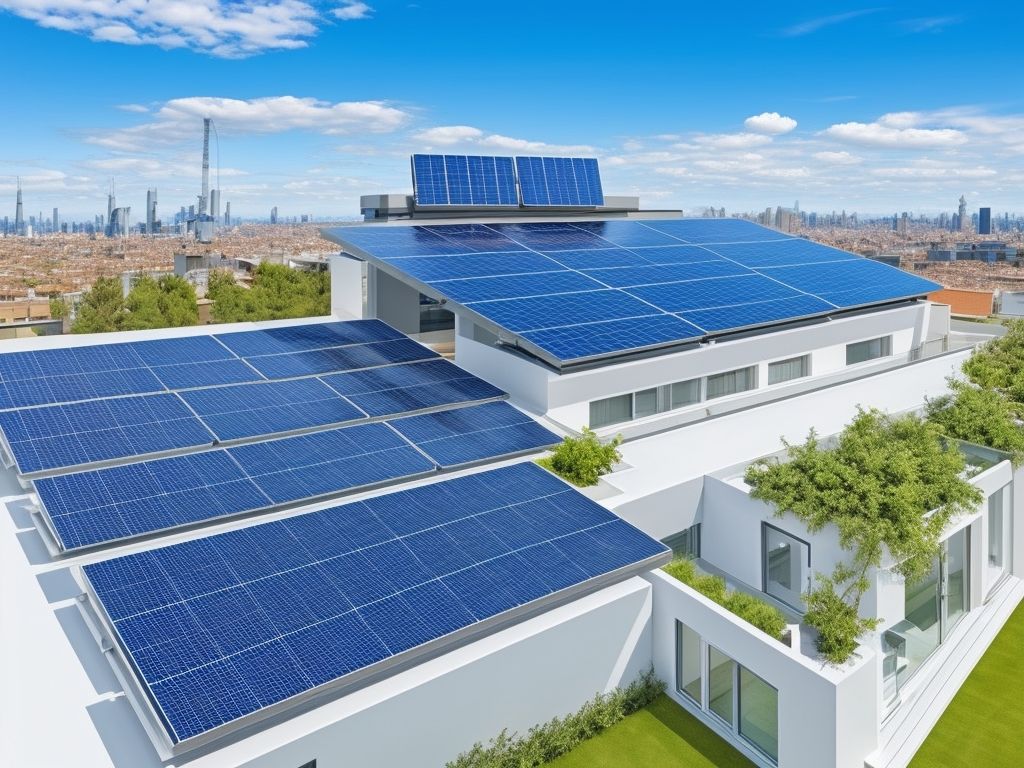 Monitoring the performance of solar panels without a smart meter requires a different approach compared to setups with smart meters. Without real-time data on energy production and consumption, owners must rely on manual monitoring methods to ensure optimal performance and efficiency.
Manual Monitoring
- Regularly check the output of the solar panels to ensure they are producing the expected amount of energy.
- Monitor energy consumption patterns in the household to identify any discrepancies or inefficiencies.
- Keep track of weather conditions and seasonal changes that may affect solar panel performance.
Maintenance Schedules
- Develop a regular maintenance schedule for cleaning and inspecting the solar panels to ensure they are free from dirt, debris, and damage.
- Consider hiring a professional to conduct annual inspections and maintenance to ensure the longevity and efficiency of the system.
- Be proactive in addressing any issues or malfunctions to prevent further damage and maximize energy production.
Challenges and Benefits
- Challenges: Without real-time data from a smart meter, identifying performance issues or inefficiencies may be more challenging and time-consuming.
- Benefits: Manual monitoring allows for a more hands-on approach to managing solar panel performance and can provide a deeper understanding of energy consumption patterns.
Ultimate Conclusion
In conclusion, navigating the realm of Solar Panels Without Smart Meter Legal Considerations unveils a complex web of factors to weigh. From privacy risks to data sharing dynamics, understanding the legal and practical implications is crucial for a seamless solar panel experience.
FAQ Section
What are the legal requirements for installing solar panels without a smart meter?
Legal requirements vary by location, so it's essential to check with local authorities or consult with a professional before proceeding.
How does the absence of a smart meter impact privacy concerns with solar panels?
Without a smart meter, privacy risks may be reduced as there is less data collection and sharing with utility companies.
Who typically has access to the data generated by solar panels when a smart meter is not used?
Typically, homeowners have access to the data, but it's important to ensure data security measures are in place.
What are the differences in monitoring and maintenance for solar panels without a smart meter?
Monitoring may require manual checks, and maintenance schedules could be more reliant on visual inspections without smart meter data.
Are there any specific regulations or guidelines regarding data sharing when using solar panels without a smart meter?
While regulations may vary, it's crucial to understand any data sharing agreements with utility companies or third parties to protect personal information.