Smart Meter for Business Smart Analytics opens the door to a world of efficient energy management and data-driven insights for businesses. In this engaging narrative, we delve into the pivotal role of smart meters and smart analytics in transforming how businesses operate and make informed decisions.
As we explore the intricacies of smart meters and analytics, a clearer picture emerges of the benefits and challenges that come with their implementation in various industries.
Overview of Smart Meters for Business Smart Analytics
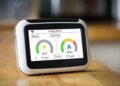
Smart meters play a crucial role in business energy management by providing real-time data on energy consumption. These devices track the usage of electricity, gas, or water, allowing businesses to monitor and optimize their energy usage efficiently.Utilization of Smart Analytics
Smart analytics are integrated with smart meters to analyze the data collected and provide valuable insights for businesses. By utilizing advanced algorithms and data processing techniques, smart analytics can identify patterns, trends, and potential areas for improvement in energy consumption.- Smart analytics help businesses in identifying energy-saving opportunities by analyzing historical data and predicting future trends.
- These tools can also detect anomalies or inefficiencies in energy usage, allowing businesses to take corrective actions promptly.
- By combining smart meters with smart analytics, businesses can optimize their energy usage, reduce costs, and enhance overall sustainability efforts.
Benefits of Integration
Integrating smart meters with smart analytics offers several benefits for businesses looking to improve their energy management strategies.Improved Energy Efficiency: Businesses can identify energy wastage and implement measures to enhance efficiency, leading to cost savings and reduced environmental impact.
- Cost Savings: By monitoring energy usage in real-time and identifying opportunities for optimization, businesses can reduce operational costs and allocate resources more effectively.
- Data-Driven Decision Making: Smart analytics provide data-driven insights that enable businesses to make informed decisions regarding energy consumption and sustainability initiatives.
- Enhanced Sustainability: By tracking energy usage and implementing energy-saving measures, businesses can contribute to environmental conservation and sustainability goals.
Implementation of Smart Meters
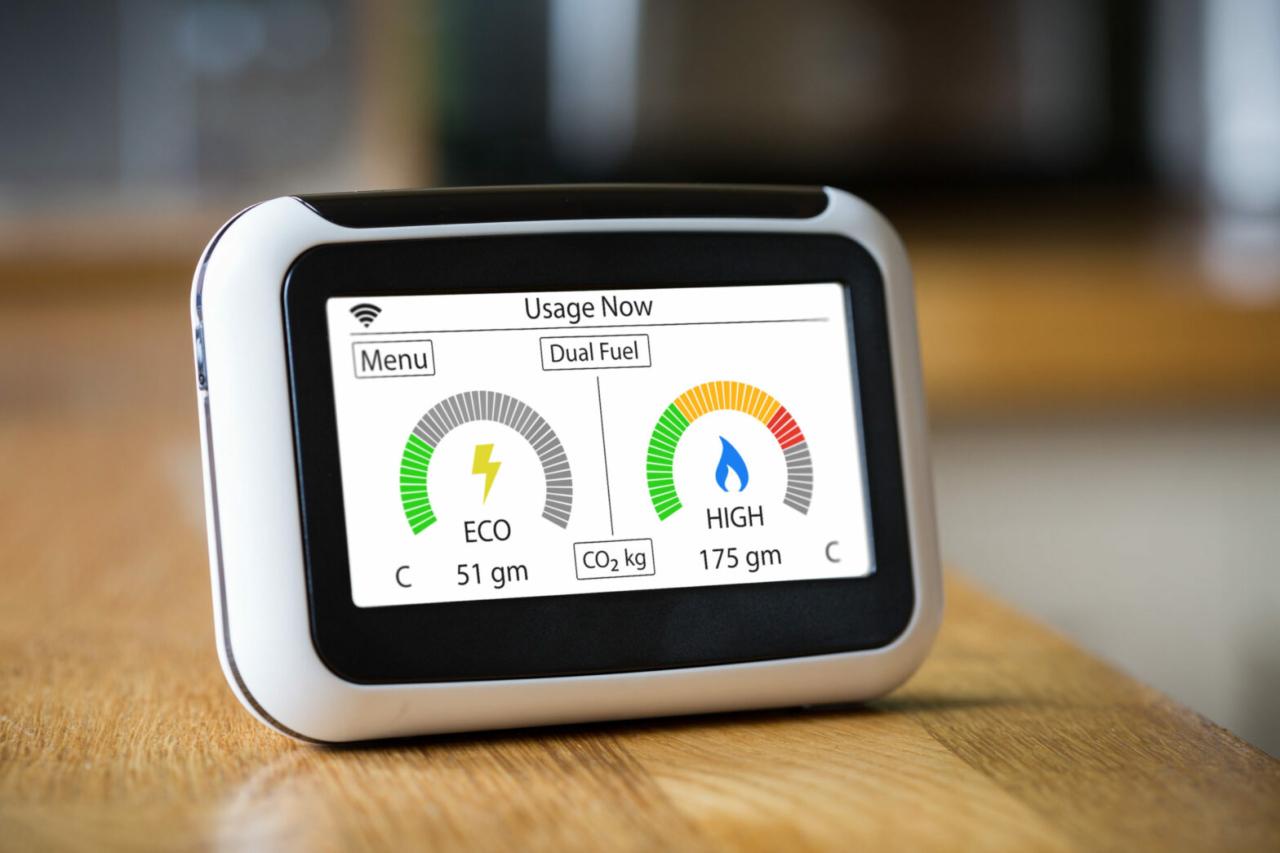
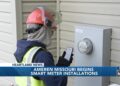
Implementing smart meters in a business environment involves a systematic process to ensure accurate data collection and analysis for better energy management. Smart meters are installed to monitor and record energy usage in real-time, providing valuable insights for businesses to optimize their operations and reduce costs.
Installation Process
- Assessment of energy needs: Before installation, a detailed assessment of the business's energy requirements is conducted to determine the appropriate type and number of smart meters needed.
- Placement and setup: Smart meters are strategically placed at key points within the business premises to capture accurate data. They are then connected to the existing energy infrastructure and configured for data transmission.
- Data integration: Once installed, smart meters are integrated with analytics software to process and analyze the data collected. This integration allows businesses to access real-time energy usage information and identify areas for improvement.
Industry Examples
- Retail: Retail businesses can benefit from smart meters by monitoring energy usage in stores and warehouses to identify peak consumption periods and implement energy-saving measures.
- Manufacturing: Manufacturing industries can use smart meters to track energy usage in production processes, optimize equipment efficiency, and reduce overall energy costs.
- Hospitality: Hotels and resorts can leverage smart meters to monitor energy consumption in guest rooms, common areas, and facilities, allowing them to implement energy-saving initiatives without compromising guest comfort.
Challenges and Considerations
- Initial investment: The cost of purchasing and installing smart meters can be a significant upfront investment for businesses, requiring careful budget planning.
- Data security: Ensuring the security of the data collected by smart meters is crucial to protect sensitive information and maintain privacy compliance.
- Employee training: Businesses may need to provide training for staff members to effectively utilize the data generated by smart meters and implement energy-saving strategies based on the insights gained.
Data Collection and Analysis
Smart meters for business analytics play a crucial role in collecting and analyzing data to provide valuable insights for improving operations.
Types of Data Collected
- Energy consumption: Smart meters track the usage of electricity, gas, or water, providing detailed information on when and how much resources are being used.
- Peak demand: These meters capture peak demand periods, helping businesses optimize their energy usage during high-consumption times.
- Power quality: Smart meters can monitor the quality of power supply, identifying any fluctuations or issues that may impact equipment performance.
Methods of Data Analysis
- Data visualization: Businesses can use charts, graphs, and dashboards to visualize and interpret the data collected by smart meters, making it easier to identify patterns and trends.
- Anomaly detection: By setting thresholds and alerts, businesses can detect anomalies in energy usage or power quality, allowing for quick intervention to prevent issues.
- Predictive analytics: Smart meters enable businesses to predict future energy consumption based on historical data, helping them plan and optimize resource usage efficiently.
Leveraging Data Insights
- Identifying inefficiencies: By analyzing data from smart meters, businesses can pinpoint areas of waste or inefficiency in their operations and take corrective actions to reduce costs.
- Optimizing energy usage: With insights from smart meters, businesses can adjust their energy consumption patterns, schedule maintenance during off-peak hours, and implement energy-saving measures to lower utility bills.
- Improving sustainability: Data from smart meters can help businesses track their carbon footprint, set sustainability goals, and monitor progress towards achieving a more environmentally friendly operation.
Energy Efficiency and Cost Savings
Smart meters play a crucial role in enhancing energy efficiency within businesses, leading to significant cost savings in the long run. By providing real-time data on energy consumption, smart meters empower businesses to make informed decisions and optimize their energy usage effectively.
Optimizing Energy Usage
- Implementing energy-efficient practices: Businesses can use insights from smart meters to identify areas of high energy consumption and implement energy-saving practices, such as upgrading to energy-efficient appliances or optimizing heating and cooling systems.
- Setting energy consumption targets: Smart meters enable businesses to set specific energy consumption targets and monitor their progress in real-time, allowing them to adjust their energy usage accordingly to meet their goals.
Cost Reduction through Smart Analytics
- Identifying energy waste: Smart analytics help businesses identify areas of energy waste or inefficiency, allowing them to take corrective actions to reduce energy consumption and lower costs.
- Optimizing peak demand: By analyzing peak energy usage patterns, businesses can strategically manage their energy consumption during peak hours, potentially reducing peak demand charges and overall energy costs.
End of Discussion
In conclusion, Smart Meter for Business Smart Analytics revolutionizes the way businesses approach energy management, paving the way for enhanced efficiency, cost savings, and strategic decision-making. This innovative technology is not just a tool; it's a gateway to a smarter, more sustainable future for businesses worldwide.
Question & Answer Hub
How do smart meters benefit businesses?
Smart meters provide real-time data on energy usage, helping businesses optimize their operations for efficiency and cost savings.
What industries can benefit from smart meter implementation?
Industries such as manufacturing, retail, and hospitality can benefit greatly from smart meter implementation to track and manage energy consumption.
How can businesses leverage data insights from smart meters?
Businesses can use data insights from smart meters to identify patterns, optimize energy usage, and make informed decisions to improve overall operations.