Embark on a journey through the intricacies of a Professional Smart Home Installation Timeline, where every phase is crucial for a seamless experience. As we delve into the world of smart home installations, a tapestry of planning, execution, and troubleshooting unfolds, promising a fascinating exploration ahead.
In this guide, we will unravel the nuances of professional smart home installation timelines, shedding light on key milestones, challenges, and strategies that define this innovative field.
Overview of Professional Smart Home Installation Timeline
Professional smart home installations follow a structured timeline to ensure a smooth and efficient process from start to finish. These installations typically involve several key phases that are essential for a successful implementation.
Key Phases in a Professional Smart Home Installation Timeline
- Planning: This phase involves assessing the client's needs, designing the smart home system, and creating a detailed project plan.
- Pre-Installation: Preparing the space, running necessary wiring, and ensuring all required equipment is available before the installation begins.
- Installation: The actual setup of smart devices, integration of systems, and testing to ensure everything is functioning correctly.
- Programming: Customizing settings, creating automation routines, and linking devices for seamless operation.
- Training: Educating the homeowner on how to use the smart home system effectively and troubleshoot common issues.
- Completion: Final walkthrough, system handover, and addressing any remaining concerns to ensure customer satisfaction.
Adhering to a timeline is crucial in smart home installations to manage resources efficiently, meet client expectations, and ensure a timely delivery of the project.
Pre-Installation Phase
Before diving into the installation process of a professional smart home system, there are key steps that need to be taken care of during the pre-installation phase. This phase is crucial in ensuring a smooth and successful installation process.Site Survey and Assessment
One of the first steps in the pre-installation phase is conducting a thorough site survey and assessment of the property where the smart home system will be installed. This involves inspecting the layout of the space, identifying potential obstacles or challenges, and determining the best locations for installing various smart devices.
During the site survey, it is important to take note of existing electrical wiring, internet connectivity, and any specific requirements or limitations of the property. This information will help in planning the installation process effectively and avoiding any issues during the setup.
Creating a Detailed Plan
After completing the site survey, the next step is to create a detailed plan that Artikels the equipment placement and wiring requirements for the smart home system. This plan should include the placement of smart hubs, sensors, cameras, thermostats, and any other devices that will be part of the system.
It is essential to consider factors such as the range of wireless devices, proximity to power sources, and accessibility for maintenance when planning the equipment placement. Additionally, mapping out the wiring requirements and connections between devices will ensure a neat and organized installation that is both functional and aesthetically pleasing.
Installation Process
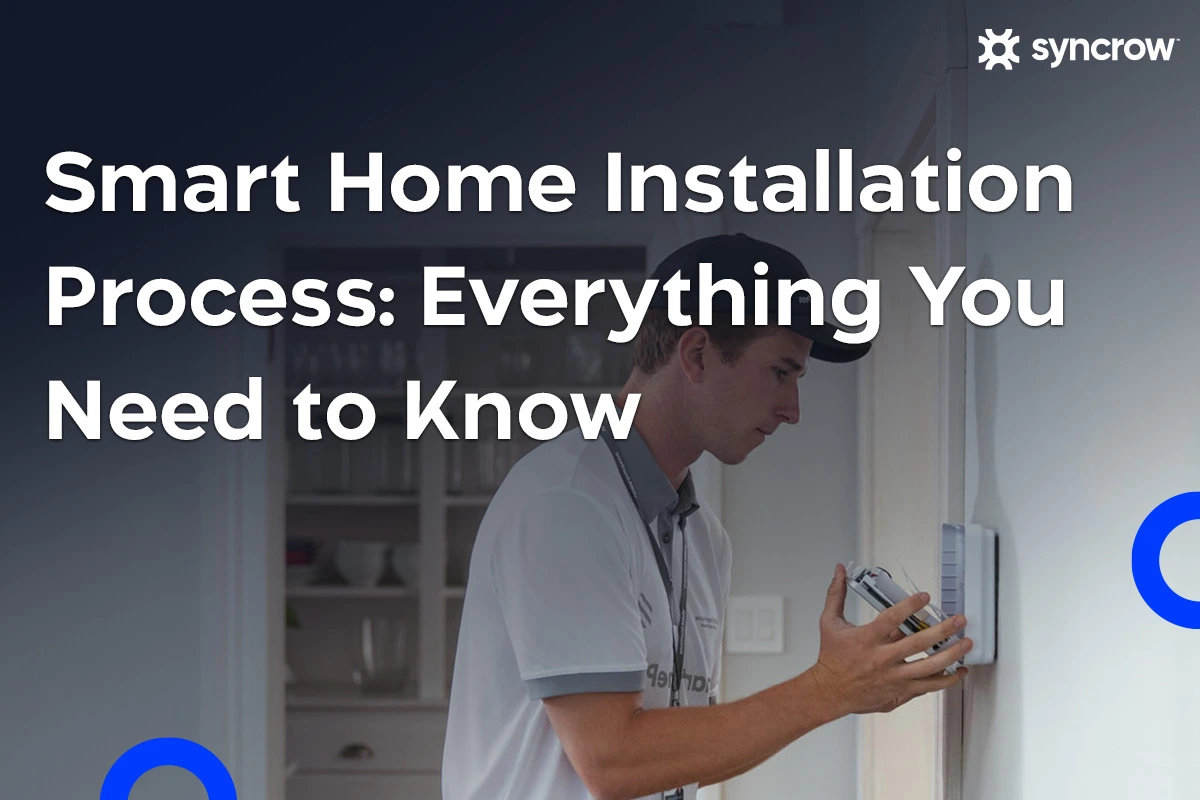
When it comes to the installation process of smart home devices and systems, it is crucial to follow a systematic approach to ensure everything works seamlessly. Below, we will detail the actual installation steps for various smart home products, compare different installation techniques, and provide tips for a smooth and efficient installation process.
Installation Steps for Smart Home Devices
- Begin by carefully reading the manufacturer's instructions for each device to understand the installation requirements.
- Identify the best location for each device based on connectivity, power source, and optimal performance.
- Prepare the necessary tools and equipment before starting the installation process.
- Follow the step-by-step instructions provided by the manufacturer to connect and configure each device.
- Test each device to ensure proper functionality and connectivity within the smart home network.
Comparison of Installation Techniques
When it comes to installing common smart home products such as smart thermostats, security cameras, and smart lighting systems, there are different installation techniques to consider. While some devices may require professional installation, others can be easily set up by homeowners
Tips for a Smooth Installation Process
- Plan ahead and create a detailed installation schedule to allocate time for each device.
- Ensure you have a stable internet connection to facilitate the setup and configuration of smart devices.
- Label all cables and components to avoid confusion during the installation process.
- Seek assistance from professional installers for complex devices or systems to avoid potential issues.
- Regularly update firmware and software for smart devices to enhance security and performance.
Testing and Troubleshooting
Testing and troubleshooting are crucial steps in the professional smart home installation process to ensure all components work seamlessly and address any issues that may arise.
Importance of Thorough Testing
- It is essential to test each installed component thoroughly to verify functionality and integration with the overall system.
- Thorough testing helps in identifying any potential issues early on, preventing future disruptions or malfunctions.
- Ensuring all components work properly before project completion guarantees customer satisfaction and a successful installation.
Common Issues and Troubleshooting
- Connectivity Problems: If devices do not communicate with each other, check network settings, Wi-Fi signal strength, or consider adding a repeater.
- Compatibility Issues: Verify that all devices are compatible with the smart home system and update firmware if needed.
- Power Supply: Check power sources for each component and ensure proper voltage and connections for uninterrupted operation.
Seamless Operation
- It is vital to test all systems thoroughly to guarantee seamless operation and user experience.
- By addressing and resolving any issues during testing, the smart home installation can be completed successfully with confidence in its functionality.
Post-Installation Phase
After the smart home installation process is completed, professionals move on to the post-installation phase to ensure that the client is fully satisfied with their new system. This phase involves client walkthroughs, system demonstrations, and providing maintenance tips and support for the smart home systems.Client Walkthroughs and System Demonstrations
During the client walkthrough, professionals guide the homeowners through the newly installed smart home system. This includes demonstrating how to operate the various devices, control panels, and mobile applications. The aim is to ensure that the clients are comfortable using their new smart home technology and understand its functionalities.Ensuring Customer Satisfaction
Professionals take additional steps to ensure customer satisfaction post-installation. This may involve addressing any concerns or questions the clients may have, providing additional training if needed, and making any necessary adjustments to the system based on the client's feedback. The goal is to make sure that the clients are happy with their smart home setup and feel confident in using it.Maintenance Tips and Support
To help clients maintain their smart home systems in optimal condition, professionals offer maintenance tips and ongoing support. This may include educating clients on regular maintenance tasks, troubleshooting common issues, and providing contact information for technical support. By empowering clients with the knowledge and resources to take care of their smart home systems, professionals ensure that the technology continues to enhance their lives for years to come.Conclusion
In conclusion, the Professional Smart Home Installation Timeline encapsulates a meticulous process that culminates in the seamless integration of cutting-edge technology into living spaces. From initial planning to final testing, each step plays a vital role in ensuring a successful installation. Stay tuned for more insights and tips on mastering the art of smart home installations.
Expert Answers
What are the typical phases involved in a professional smart home installation timeline?
The phases usually include planning, pre-installation steps, the installation process, testing, troubleshooting, and post-installation steps.
Why is it important to conduct a thorough site survey before installation?
A site survey helps professionals understand the layout of the space, identify potential challenges, and plan the placement of devices and wiring effectively.
How do professionals ensure customer satisfaction post-installation?
Professionals ensure customer satisfaction by conducting client walkthroughs, system demonstrations, and providing maintenance tips and ongoing support for smart home systems.