Embark on a journey through the world of global siding and roofing, where we delve into the intricacies of these essential components of buildings. From traditional practices to modern innovations, this guide promises to offer a unique perspective on the significance of quality siding and roofing in the global market.
Overview of Global Siding and Roofing
Global siding and roofing refer to the materials and installation used to cover and protect the exterior of buildings. Siding is the outer covering of a house or building, while roofing provides the structure that protects the interior from weather elements.
Quality siding and roofing are essential for the longevity and durability of buildings, as they serve as the first line of defense against harsh weather conditions, such as rain, wind, snow, and sunlight.
Importance of Quality Siding and Roofing
Quality siding and roofing play a crucial role in maintaining the structural integrity of buildings. Proper installation and high-quality materials ensure that the building is protected from moisture, mold, and other environmental damage. Additionally, quality siding and roofing can enhance the aesthetic appeal of a building, increasing its value and curb appeal.
Global Market Trends in the Siding and Roofing Industry
The global siding and roofing industry are constantly evolving, driven by technological advancements, environmental concerns, and changing consumer preferences. Sustainable and energy-efficient materials are becoming increasingly popular, as more people prioritize eco-friendly building practices. Additionally, advancements in manufacturing processes have led to the development of innovative siding and roofing materials that offer improved durability and performance.
Types of Siding Materials
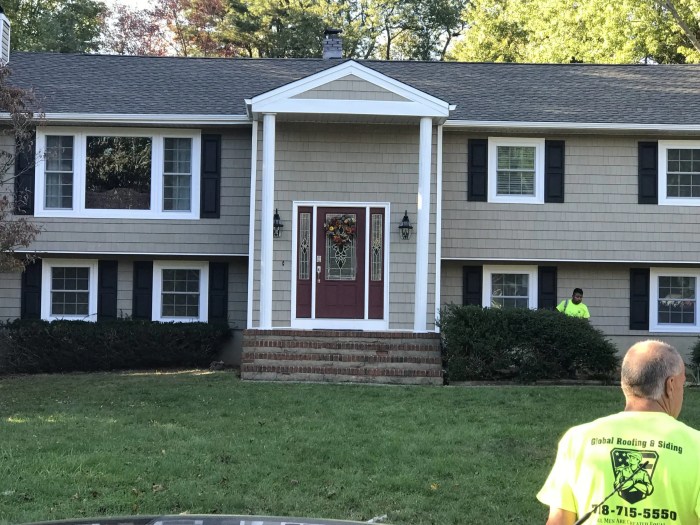
When it comes to siding materials, there are several options available globally, each with its own unique characteristics and benefits. Let's explore some of the most popular types of siding materials used in the market today.
Vinyl Siding
- One of the most commonly used siding materials due to its affordability and low maintenance requirements.
- Available in a wide range of colors and styles, making it a versatile choice for many homeowners.
- Resistant to rot, moisture, and insect damage, ensuring durability over time.
Fiber Cement Siding
- Made from a mixture of cement, sand, and cellulose fibers, providing a strong and durable option for siding.
- Resistant to fire, insects, and rot, making it a popular choice for areas with extreme weather conditions.
- Available in various textures and styles, mimicking the look of wood or stucco siding.
Wood Siding
- Known for its natural beauty and timeless appeal, wood siding offers a classic look to any home.
- Requires regular maintenance such as staining or painting to prevent rot and decay.
- Available in different types of wood, including cedar, pine, and redwood, each with its own unique characteristics.
Metal Siding
- Provides a modern and sleek appearance to a home, often used in contemporary designs.
- Durable and resistant to fire, rot, and insect damage, making it a low-maintenance option.
- Available in different metals such as aluminum, steel, and copper, each with varying levels of durability and cost.
Innovative Siding Materials
- Composite Siding: Combining different materials like wood fibers and cement to create a highly durable and low-maintenance option.
- Engineered Wood Siding: Made from wood fibers and resin, providing the appearance of natural wood with enhanced durability and moisture resistance.
- Stone Veneer Siding: Mimics the look of natural stone but at a fraction of the cost, offering a luxurious appearance to any home exterior.
Roofing Systems Around the World
Roofing systems vary greatly across different regions of the world, influenced by factors such as climate, culture, and available resources. From traditional methods passed down through generations to modern technologies, the diversity in roofing solutions is truly fascinating.
Traditional Roofing Systems
Traditional roofing systems often reflect the cultural heritage and environmental conditions of a particular region. For example, in Japan, you can find intricate thatched roofs made from rice straw, known as "kayabuki." These roofs are not only visually stunning but also provide excellent insulation against the hot summers and cold winters in Japan.
- In Scandinavia, wooden shingles have been a popular choice for centuries due to their durability and ability to withstand harsh weather conditions.
- Thatch roofs made from reeds or straw are commonly found in parts of Europe and Africa, offering natural insulation and a rustic aesthetic.
- Adobe roofs, made from a mixture of clay, water, and other organic materials, are prevalent in arid regions like the Middle East and parts of Latin America.
Modern Roofing Solutions
With advancements in technology and materials, modern roofing solutions have evolved to provide enhanced durability, energy efficiency, and aesthetic appeal. Metal roofing, for instance, offers longevity and resistance to fire and extreme weather events, making it a popular choice in many parts of the world.
- Slate roofing is known for its elegance and longevity, often seen in upscale residential and commercial buildings.
- Solar roofing tiles are gaining popularity as a sustainable energy solution, harnessing the power of the sun to generate electricity for homes and businesses.
- Green roofs, covered with vegetation, are becoming more common in urban areas, providing insulation, reducing stormwater runoff, and creating green spaces in densely populated cities.
Impact of Climate on Roofing Systems
The choice of roofing systems is heavily influenced by the climate of a particular region. In areas prone to heavy rainfall, sloped roofs are preferred to allow for efficient water drainage. Conversely, flat roofs are common in arid regions where rainfall is minimal.
It is essential to consider the impact of climate on the longevity and performance of roofing materials to ensure the durability and efficiency of the roof over time.
Sustainable Practices in Siding and Roofing
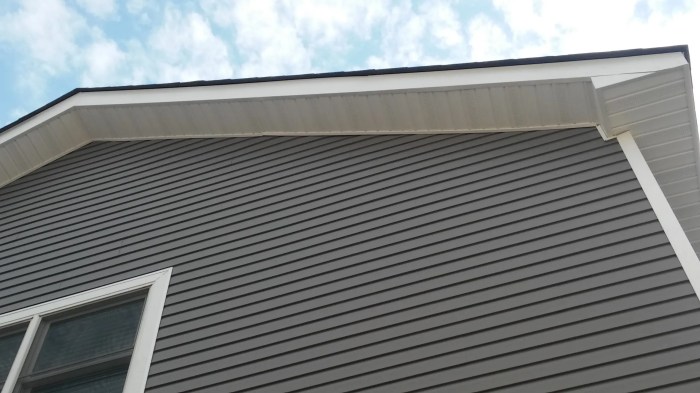
When it comes to the siding and roofing industry, sustainability focuses on using materials and practices that have a minimal impact on the environment, conserve energy, and promote long-term durability.
Eco-Friendly Materials for Sustainable Siding and Roofing
Choosing eco-friendly materials such as recycled metal, reclaimed wood, fiber cement, and natural stone can significantly reduce the carbon footprint of siding and roofing projects. These materials are often durable, energy-efficient, and recyclable, making them a sustainable choice for construction.
Benefits of Implementing Sustainable Practices
- Reduced Environmental Impact: By using sustainable materials, you can help reduce the depletion of natural resources and minimize waste generation during the construction process.
- Energy Efficiency: Sustainable siding and roofing materials can improve energy efficiency in buildings, reducing the need for heating and cooling systems and lowering energy bills.
- Long-Term Cost Savings: While sustainable materials may have a higher upfront cost, they often require less maintenance and have a longer lifespan, leading to cost savings over time.
- Improved Indoor Air Quality: Eco-friendly materials are less likely to emit harmful chemicals or volatile organic compounds (VOCs), promoting healthier indoor air quality for building occupants.
- Enhanced Property Value: Sustainable siding and roofing solutions are increasingly in demand among environmentally-conscious consumers, potentially increasing the resale value of properties.
Maintenance and Repair of Siding and Roofing
Regular maintenance is key to prolonging the lifespan of siding and roofing structures. By addressing common issues promptly and following best practices for repairs, you can ensure the longevity and durability of these essential components of your home.
Tips for Maintaining Siding and Roofing
- Regularly inspect siding and roofing for any signs of damage or wear.
- Clean debris, leaves, and dirt off the surfaces to prevent mold and mildew growth.
- Trim overhanging branches to prevent damage from falling limbs.
- Ensure proper drainage to prevent water damage and leaks.
Common Issues with Siding and Roofing and How to Address Them
- Leaking roofs: Inspect for damaged shingles or flashing and repair or replace as needed.
- Cracked or warped siding: Replace damaged sections and repaint if necessary.
- Mold or mildew growth: Clean affected areas with a solution of water and bleach.
- Pest infestations: Seal any entry points and consider professional pest control services.
Best Practices for Repairing Damaged Siding and Roofing Structures
- Act quickly to address any damage to prevent further issues.
- Use quality materials for repairs to ensure longevity and durability.
- Consult with professionals for complex repairs or extensive damage.
- Follow manufacturer guidelines for maintenance and repairs to maintain warranties.
Ultimate Conclusion
As we wrap up our exploration of global siding and roofing, we reflect on the key takeaways and insights gained throughout this detailed discussion. From sustainable practices to maintenance tips, this guide aims to equip you with the knowledge needed to navigate the world of siding and roofing with confidence.
Query Resolution
What are the benefits of sustainable siding and roofing practices?
Sustainable practices help reduce environmental impact, lower energy costs, and increase the longevity of siding and roofing materials.
How can I address common issues with siding and roofing?
Regular inspections, prompt repairs, and proper maintenance can help prevent and address common problems such as leaks or damage.
What are some examples of innovative siding materials in the market?
Innovative materials like fiber cement, metal panels, and engineered wood offer durable and stylish options for siding projects.