Exploring the intricacies of Fleet Maintenance Planning: The Complete 2025 Guide, this introduction sets the stage for a deep dive into the topic, offering insights and perspectives that will captivate readers from the outset.
Providing a comprehensive overview of the key aspects of fleet maintenance planning in the upcoming year, this intro aims to engage and inform in equal measure.
Introduction to Fleet Maintenance Planning
Fleet maintenance planning in the context of 2025 involves the strategic management of a company's vehicles to ensure optimal performance, safety, and cost-efficiency. This process includes scheduling routine maintenance, inspections, repairs, and monitoring vehicle health to minimize downtime and maximize operational efficiency.Effective fleet maintenance planning is crucial for businesses to maintain a reliable fleet, reduce operational costs, and ensure compliance with safety regulations.
By proactively addressing maintenance needs, companies can prevent unexpected breakdowns, extend the lifespan of their vehicles, and ultimately improve overall fleet performance.
Key Components of a Comprehensive Fleet Maintenance Plan
- Regular Inspections: Conduct routine inspections to identify and address any issues before they escalate.
- Scheduled Maintenance: Develop a maintenance schedule for each vehicle based on manufacturer recommendations and usage patterns.
- Diagnostic Monitoring: Utilize advanced telematics and diagnostic tools to track vehicle health in real-time and predict maintenance needs.
- Parts Inventory Management: Maintain an inventory of essential parts and supplies to facilitate quick repairs and reduce downtime.
- Driver Training: Provide drivers with training on basic maintenance tasks and how to report potential issues promptly.
Technology Trends in Fleet Maintenance

The advancements in technology have significantly impacted fleet maintenance planning, revolutionizing the way maintenance tasks are carried out and monitored.
Impact of AI on Fleet Maintenance
Artificial Intelligence (AI) plays a crucial role in fleet maintenance by enabling predictive maintenance strategies. AI algorithms analyze historical data, sensor information, and other relevant factors to predict potential equipment failures before they occur. This proactive approach helps fleet managers schedule maintenance activities more efficiently, reducing downtime and overall maintenance costs.
IoT in Fleet Maintenance
The Internet of Things (IoT) has transformed fleet maintenance by connecting vehicles and equipment to a network that enables real-time monitoring. IoT devices installed in vehicles collect data on performance, fuel consumption, and other vital metrics. This data is then transmitted to a central system, allowing fleet managers to track vehicle health, optimize routes, and detect issues early on.
The ability to monitor assets remotely enhances maintenance planning and decision-making processes.
Predictive Analytics for Fleet Maintenance
Predictive analytics utilizes historical data, machine learning algorithms, and statistical models to forecast equipment failures and maintenance needs. By analyzing patterns and trends in data, fleet managers can identify potential issues, prioritize maintenance tasks, and allocate resources effectively. This data-driven approach improves maintenance efficiency, prolongs asset lifespan, and enhances overall fleet performance.Overall, the integration of AI, IoT, and predictive analytics in fleet maintenance planning has led to more proactive, data-driven, and cost-effective maintenance practices, ensuring fleets operate smoothly and efficiently in 2025 and beyond.
Sustainable Practices in Fleet Maintenance
Fleet maintenance is an essential aspect of keeping vehicles running smoothly and efficiently. As the world shifts towards more sustainable practices, it is crucial for fleet managers to adopt eco-friendly initiatives in their maintenance planning to reduce environmental impact and improve overall efficiency.One key sustainable approach to fleet maintenance planning is the integration of eco-friendly practices into regular maintenance schedules.
This can include using biodegradable fluids, implementing energy-efficient technologies, and prioritizing preventive maintenance to reduce the need for more resource-intensive repairs in the future.
Benefits of Implementing Green Practices in Fleet Maintenance
Implementing green practices in fleet maintenance offers a wide range of benefits, both environmentally and economically. Some of the key advantages include:
- Reduced carbon footprint: By using eco-friendly products and practices, fleets can lower their emissions and contribute to a cleaner environment.
- Cost savings: Energy-efficient technologies and preventive maintenance can lead to lower fuel consumption and maintenance costs over time.
- Compliance with regulations: Many regions are implementing stricter environmental regulations, and adopting green practices can help fleets stay in compliance and avoid penalties.
- Enhanced reputation: Demonstrating a commitment to sustainability can improve the public perception of a fleet operation and attract environmentally-conscious customers.
Data-Driven Decision Making in Fleet Maintenance
Data-driven decision making plays a crucial role in optimizing fleet maintenance planning by leveraging data analytics to enhance efficiency and reduce costs. By analyzing data from various sources, fleet managers can make informed decisions that lead to improved maintenance practices and overall operational performance.
Role of Data Analytics in Fleet Maintenance
Data analytics allows fleet managers to track key performance indicators, identify trends, and predict maintenance needs accurately. For example, by monitoring vehicle usage patterns and maintenance records, managers can schedule preventive maintenance tasks proactively, reducing downtime and avoiding unexpected breakdowns.
Examples of Data-Driven Insights in Maintenance Efficiency
- Utilizing predictive maintenance algorithms to anticipate component failures before they occur, reducing maintenance costs and increasing vehicle uptime.
- Analyzing fuel consumption data to optimize routes and schedules, leading to fuel savings and reduced emissions.
- Implementing telematics systems to monitor driver behavior and vehicle performance, enabling targeted training programs and improving safety outcomes.
Challenges and Opportunities of Leveraging Data for Decision-Making
- Challenges:
- Ensuring data quality and accuracy to make reliable decisions.
- Managing and integrating data from multiple sources for a comprehensive view.
- Addressing cybersecurity concerns to protect sensitive fleet data.
- Opportunities:
- Enhancing operational efficiency and cost savings through data-driven insights.
- Facilitating predictive maintenance strategies to minimize downtime and extend asset lifespan.
- Enabling continuous improvement through real-time monitoring and feedback loops.
Compliance and Regulatory Considerations
Compliance with regulations is a crucial aspect of fleet maintenance planning, as failing to adhere to industry standards can result in serious consequences for businesses. Let's explore how the regulatory landscape impacts fleet maintenance strategies and how staying updated with evolving regulations is essential for operational success.
Impact of Regulatory Landscape on Fleet Maintenance Planning
- Regulations such as DOT (Department of Transportation) requirements and EPA (Environmental Protection Agency) standards play a significant role in shaping maintenance practices.
- Compliance with these regulations ensures safety, environmental responsibility, and overall operational efficiency.
- Failure to meet regulatory standards can lead to fines, penalties, and reputational damage for fleet operators.
Influence of Compliance with Standards on Maintenance Strategies
- Adhering to regulations often necessitates the implementation of preventive maintenance schedules and thorough record-keeping processes.
- Compliance drives the adoption of best practices in maintenance, including regular inspections, timely repairs, and proper documentation.
- Following standards also promotes the use of quality parts, trained technicians, and reliable maintenance software.
Staying Updated with Evolving Regulations
- Regularly monitoring regulatory changes at the local, state, and federal levels is essential for fleet managers to ensure ongoing compliance.
- Engaging with industry associations, attending conferences, and leveraging technology solutions that track regulatory updates can help fleet operators stay informed.
- Establishing a compliance management system within the organization can streamline the process of adapting to new regulations and maintaining a culture of compliance.
Fleet Maintenance Planning Best Practices
When it comes to fleet maintenance planning, there are several best practices that can help ensure the efficiency and effectiveness of your maintenance operations. By following industry standards and implementing proven strategies, you can enhance the overall performance of your fleet and minimize downtime.
Effective Maintenance Plan Design
- Define clear maintenance objectives and goals to guide your planning process.
- Assess the specific needs of each vehicle in your fleet to tailor maintenance plans accordingly.
- Utilize predictive maintenance techniques to anticipate and address potential issues before they escalate.
- Regularly review and update your maintenance schedules based on vehicle usage patterns and performance data.
Tips for Scheduling and Monitoring Maintenance Tasks
- Establish a regular maintenance schedule based on manufacturer recommendations and industry standards.
- Implement a robust tracking system to monitor maintenance tasks, track progress, and ensure timely completion.
- Utilize telematics and IoT technologies to gather real-time data on vehicle health and performance.
- Integrate maintenance management software to streamline scheduling, assign tasks, and monitor maintenance activities.
Alignment with Fleet Management Objectives
- Ensure that maintenance practices align with overall fleet management objectives, such as cost reduction, safety enhancement, and operational efficiency.
- Collaborate closely with fleet managers to integrate maintenance plans with fleet utilization and optimization strategies.
- Regularly communicate with drivers and maintenance staff to address any issues or concerns that may impact fleet performance.
- Continuously evaluate the effectiveness of maintenance practices and make adjustments to improve fleet operations.
Final Summary
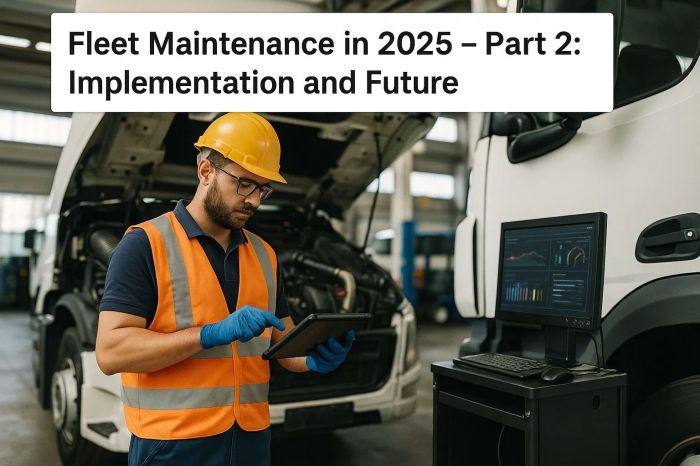
In conclusion, Fleet Maintenance Planning: The Complete 2025 Guide encapsulates the essence of effective planning for fleet maintenance, offering a roadmap for success in the ever-evolving landscape of transportation management.
Frequently Asked Questions
What are the key components of a comprehensive fleet maintenance plan?
A comprehensive fleet maintenance plan includes scheduled maintenance tasks, regular inspections, parts inventory management, and data-driven analysis for optimized performance.
How can technology revolutionize fleet maintenance practices in 2025?
Emerging technologies like AI, IoT, and predictive analytics can streamline maintenance processes, enhance efficiency, and enable predictive maintenance to reduce downtime.
What sustainable approaches can be integrated into fleet maintenance planning?
Sustainable approaches include using eco-friendly products, implementing energy-efficient practices, and adopting green technologies to reduce environmental impact.
How does data analytics play a role in optimizing fleet maintenance planning?
Data analytics provides insights into fleet performance, maintenance trends, and predictive maintenance needs, enabling better decision-making and cost-effectiveness.
Why is compliance with regulatory standards important in fleet maintenance planning?
Compliance ensures safety, adherence to industry standards, and legal requirements, ultimately enhancing operational efficiency and reducing risks.