Delving into the realm of fire resistant siding materials, one uncovers a world of innovative solutions designed to protect homes from potential fire hazards. From different types of materials to installation methods and maintenance tips, this guide aims to provide a thorough understanding of how to safeguard your home with fire-resistant siding.
As we navigate through the specifics of each section, you'll gain valuable insights into the world of fire-resistant siding materials and the benefits they offer for homeowners seeking to enhance their property's safety features.
Types of Fire-Resistant Siding Materials
Fire-resistant siding materials are essential for protecting homes and buildings from the risk of fire damage. There are several types of materials that are manufactured to be fire-resistant, each with its unique properties and manufacturing processes.
Fiber Cement Siding
Fiber cement siding is made from a mixture of cement, sand, and cellulose fibers. This material is known for its exceptional fire-resistance properties, as it does not ignite when exposed to flames. Fiber cement siding is also resistant to rot, pests, and extreme weather conditions, making it a popular choice for homeowners looking for durable and long-lasting siding materials.
Metal Siding
Metal siding, such as steel or aluminum, is another type of fire-resistant siding material. Metal siding is non-combustible, meaning it does not contribute to the spread of fires. It is also resistant to rot, pests, and moisture, making it a low-maintenance option for homeowners.
Stone Veneer Siding
Stone veneer siding is made from natural stone materials, such as limestone or granite, that are adhered to a backing material. While stone veneer siding is not as commonly used as fiber cement or metal siding, it offers excellent fire-resistance properties due to the non-combustible nature of stone.
Stone veneer siding also provides a high-end aesthetic appeal to homes and buildings.
Installation Methods for Fire-Resistant Siding
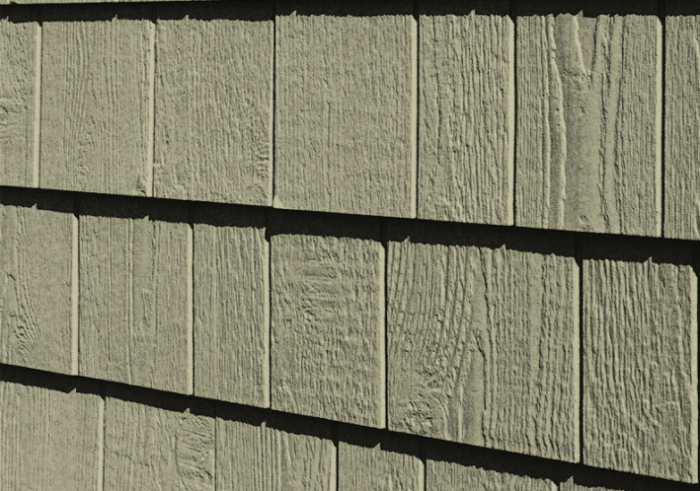
When it comes to installing fire-resistant siding materials, following proper techniques is crucial to ensure maximum fire resistance and protection for your property. Let's explore the step-by-step process and compare it with traditional siding materials.
Step-by-Step Installation Process
- Prepare the surface: Clear the area of any debris or old siding materials. Ensure the surface is clean and smooth for proper adhesion.
- Measure and cut the siding: Accurately measure the dimensions needed for each section of siding and cut them accordingly to fit the space.
- Install flashing: Apply flashing around windows, doors, and corners to prevent water infiltration and enhance fire resistance.
- Attach the siding: Start from the bottom and work your way up, securing each piece of siding with the appropriate fasteners as per manufacturer's instructions.
- Seal the joints: Use fire-resistant caulk to seal any gaps between siding panels to prevent fire from spreading.
- Finish and paint: Once the siding is installed, finish it with a fire-resistant paint to enhance its durability and fire resistance.
Importance of Proper Installation Techniques
Proper installation techniques are essential for maximizing the fire resistance of siding materials. A well-installed siding system can help prevent the spread of flames and protect the underlying structure from fire damage. Following manufacturer guidelines and using the correct tools and materials are key to ensuring the effectiveness of fire-resistant siding.
Comparison with Traditional Siding Materials
Installing fire-resistant siding materials may require additional steps compared to traditional siding materials. The use of specialized fasteners, sealants, and paints designed for fire resistance is often necessary. While the installation process may be slightly more involved, the added protection and peace of mind that fire-resistant siding provides make it a worthwhile investment for homeowners in fire-prone areas.
Maintenance and Care of Fire-Resistant Siding
Regular maintenance of fire-resistant siding is crucial to ensure its effectiveness in protecting your home from fire hazards. By following proper maintenance routines, you can enhance the fire-resistant properties of the siding and prolong its lifespan.
Maintenance Requirements for Fire-Resistant Siding
- Inspect the siding regularly for any signs of damage, such as cracks or charring.
- Remove any debris, leaves, or flammable materials that may accumulate on the siding.
- Check for gaps or openings where fire could potentially enter and seal them appropriately.
- Trim any vegetation or trees near the siding to prevent fire from spreading easily.
Tips for Cleaning and Caring for Fire-Resistant Siding
- Clean the siding with a mild detergent and water solution to remove dirt and grime.
- Avoid using abrasive cleaners or tools that could damage the fire-resistant coating.
- Rinse the siding thoroughly after cleaning to ensure all residue is removed.
- Apply a fresh coat of fire-resistant sealant or paint as needed to maintain the protective layer.
Cost Considerations and Long-Term Benefits
Investing in fire-resistant siding materials may come with a higher initial cost compared to non-fire-resistant options. However, the long-term benefits of choosing fire-resistant siding can outweigh the initial investment for homeowners.
Cost Differences between Fire-Resistant and Non-Fire-Resistant Siding
- Fire-resistant siding materials typically cost more upfront than non-fire-resistant options due to the specialized materials and construction required.
- Although the initial cost may be higher, the added protection and peace of mind that fire-resistant siding provides can be invaluable.
- Consider the potential expenses of rebuilding or repairing a home damaged by fire when comparing the cost of fire-resistant siding to non-fire-resistant alternatives.
Long-Term Benefits of Fire-Resistant Siding
- Fire-resistant siding can help prevent the spread of fire and limit the damage to a home in case of a fire incident.
- By investing in fire-resistant siding, homeowners can potentially reduce insurance premiums, as some insurance companies offer discounts for homes with fire-resistant features.
- The durability and longevity of fire-resistant siding materials can also contribute to long-term cost savings by reducing the need for frequent repairs or replacements.
Initial Cost vs. Potential Savings in Case of a Fire
- While the initial cost of fire-resistant siding may be higher, the potential savings in case of a fire can outweigh this cost.
- Homeowners who choose fire-resistant siding may avoid costly repairs, reconstruction, or even complete loss of their home in the event of a fire.
- Consider the peace of mind and protection that fire-resistant siding provides as an essential factor when evaluating the initial cost versus potential savings in case of a fire.
Ultimate Conclusion
In conclusion, fire-resistant siding materials offer a proactive approach to protecting homes from fire damage, providing peace of mind to homeowners. By understanding the various types, installation methods, maintenance requirements, and cost considerations, individuals can make informed decisions to safeguard their homes effectively.
Stay informed, stay safe.
Clarifying Questions
What are some common types of fire-resistant siding materials available in the market?
Common types include fiber cement, metal, and fire-resistant treated wood siding. Each has unique properties that enhance fire resistance.
How often should fire-resistant siding materials be maintained?
Regular maintenance is recommended at least once a year to ensure optimal fire resistance. This includes inspections and cleaning as needed.
Are fire-resistant siding materials significantly more expensive than traditional siding options?
While initial costs may be higher, the long-term benefits such as increased safety and potential savings in case of a fire make them a worthwhile investment for homeowners.