Embark on a journey into the world of Connected Homes and AI Automation, where technology seamlessly integrates into our daily lives, revolutionizing the way we interact with our living spaces.
Delve deeper into the realm of smart devices and artificial intelligence as they converge to create a more efficient and personalized home environment.
Introduction to Connected Homes and AI Automation
Connected homes refer to residences equipped with smart devices that can be controlled remotely through the internet. On the other hand, AI automation involves the use of artificial intelligence to automate tasks and improve efficiency in various aspects of our lives.
Artificial intelligence is revolutionizing the concept of connected homes by enabling devices to learn from user behavior, adapt to preferences, and anticipate needs. This transformation is making homes more convenient, efficient, and secure.
Examples of AI Automation in Smart Home Devices
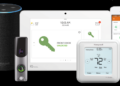
- Smart Thermostats: AI-powered thermostats can adjust the temperature based on usage patterns and weather forecasts, optimizing energy consumption and comfort levels.
- Virtual Assistants: Voice-activated virtual assistants like Amazon Alexa and Google Assistant use AI to control smart devices, provide information, and perform tasks through natural language commands.
- Smart Security Systems: AI algorithms analyze video feeds from security cameras to detect suspicious activities, sending alerts to homeowners and authorities if necessary.
- Smart Lighting: AI-controlled lighting systems can adjust brightness, color, and timing based on occupancy, time of day, and natural light levels, enhancing energy efficiency and ambiance.
Benefits of AI Automation in Connected Homes
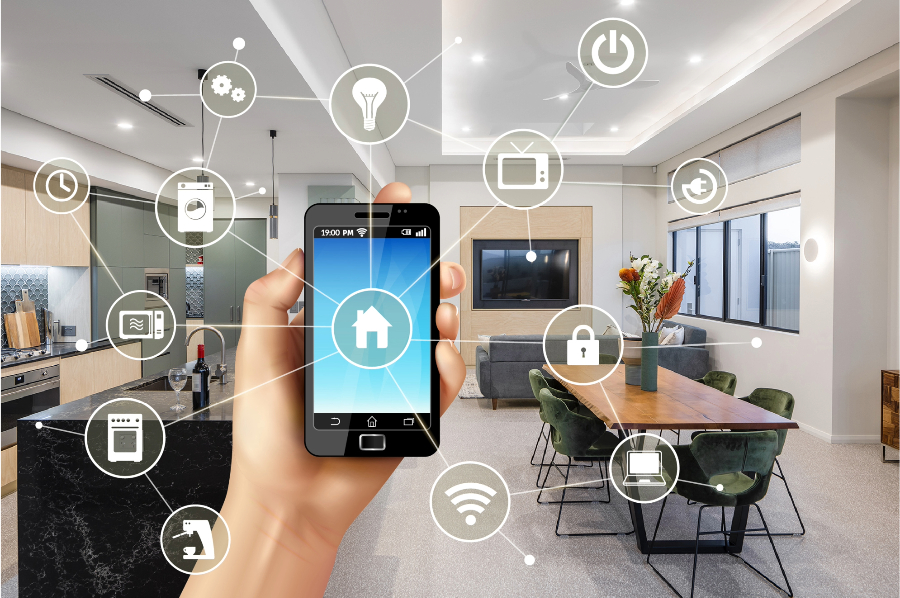 AI automation in connected homes offers a wide range of benefits, revolutionizing the way we interact with our living spaces. By integrating artificial intelligence into household devices, homeowners can experience increased convenience, efficiency, and comfort in their daily lives.
Enhanced Convenience
- AI-powered virtual assistants like Amazon Alexa and Google Assistant can control various smart devices with simple voice commands, making it easier to manage tasks and routines.
- Automated systems can learn user preferences over time, adjusting settings such as lighting, temperature, and music to suit individual needs without manual intervention.
- Smart appliances equipped with AI can optimize energy consumption, reducing waste and saving money on utility bills.
Improved Efficiency
- AI algorithms can analyze data from sensors and devices to streamline household operations, such as scheduling cleaning robots to work when residents are out of the house.
- Smart security systems can use AI to detect anomalies and potential threats, alerting homeowners and authorities in real-time to ensure safety and protection.
- Automated routines can simplify daily tasks like grocery shopping, meal planning, and home maintenance, freeing up time for more important activities.
Examples of AI Automation in Daily Living
- Smart thermostats like Nest use AI to create personalized temperature schedules based on user behavior and preferences, optimizing comfort and energy efficiency.
- Robot vacuum cleaners like Roomba employ AI algorithms to navigate and clean spaces efficiently, adapting to different floor types and obstacles for thorough cleaning.
- AI-powered health monitoring devices can track vital signs and alert users to potential health issues, promoting proactive wellness management and early intervention.
Smart Devices and AI Integration
AI plays a crucial role in connecting and controlling smart devices within a home. By leveraging AI algorithms, these devices can communicate with each other and adapt to the needs of the user seamlessly.Personalized User Preferences
AI algorithms learn user preferences over time by analyzing patterns in usage data. This enables smart devices to personalize the home environment based on individual habits and routinesEnergy Consumption Optimization
One of the significant benefits of AI integration in smart homes is the optimization of energy consumption. AI algorithms can analyze data from various sensors and devices to identify patterns and make adjustments to reduce energy waste. For instance, AI can automatically adjust thermostat settings, turn off lights in unoccupied rooms, and optimize appliance usage to minimize energy consumption without compromising comfort.Security and Privacy Concerns
AI-powered connected homes bring numerous benefits, but they also come with security risks that need to be addressed. As more devices become interconnected and reliant on AI automation, the potential vulnerabilities increase, making it crucial to prioritize data privacy and protection in household automation systems.Security Risks Associated with AI-powered Connected Homes
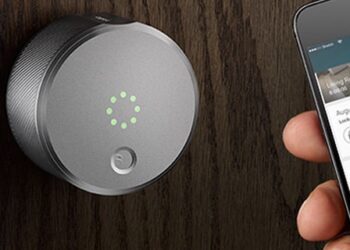
- Increased risk of hacking: Hackers can exploit vulnerabilities in smart devices to gain access to personal information or even control home systems remotely.
- Data breaches: Sensitive data collected by AI devices, such as voice recordings or video footage, can be compromised if not properly secured.
- Privacy invasion: AI-powered devices constantly gather data about users' habits and behaviors, raising concerns about how this information is used and shared.
Importance of Data Privacy and Protection in AI Automation for Households
Maintaining data privacy and protecting personal information is essential to safeguarding individuals and their homes from potential cyber threats. By implementing robust security measures and encryption protocols, households can mitigate the risks associated with AI automation and connected devices.Tips to Secure AI-enabled Smart Home Systems from Cyber Threats
- Update software regularly: Ensure that all smart devices and AI systems are running on the latest software versions to patch any known security vulnerabilities.
- Use strong, unique passwords: Create complex passwords for each device and change them periodically to prevent unauthorized access.
- Enable two-factor authentication: Add an extra layer of security by requiring a second form of verification, such as a code sent to your phone, to access smart home systems.
- Segment network connections: Separate IoT devices from personal devices on the network to limit the impact of a potential breach.
- Monitor device activity: Keep track of the data collected by AI devices and review permissions to ensure they are only accessing necessary information.
Closing Notes
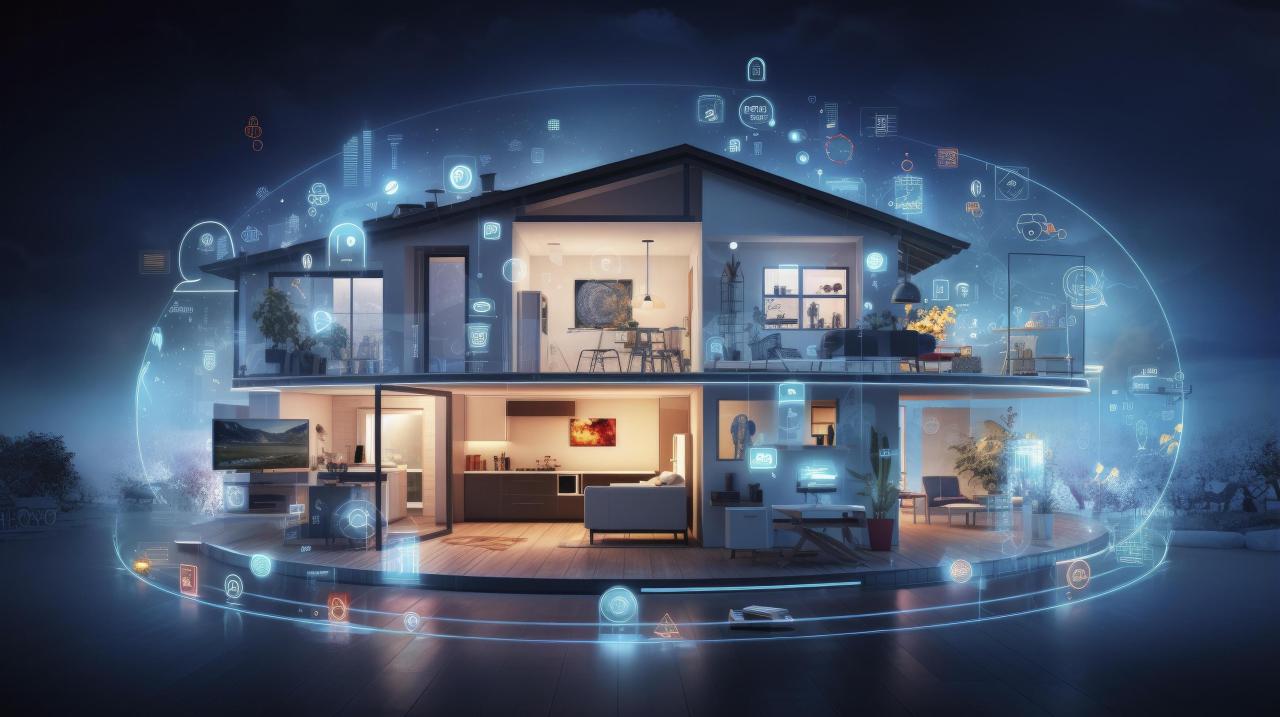
As we conclude our exploration of Connected Homes and AI Automation, it becomes evident that the future is indeed smart, secure, and tailored to our needs, offering a glimpse into a lifestyle that is both futuristic and convenient.
Questions and Answers
How does AI enhance convenience in connected homes?
AI learns user preferences and automates tasks, making daily routines more efficient and tailored to individual needs.
What security risks are associated with AI-powered connected homes?
Potential risks include data breaches, hacking of smart devices, and unauthorized access to personal information.
Can AI optimize energy consumption in smart homes?
Yes, AI algorithms can analyze usage patterns and adjust settings to minimize energy wastage, leading to more sustainable living.