Step into the world of board and batten home exteriors, where traditional charm meets modern elegance. Discover the history, design elements, installation tips, and more in this captivating exploration.
Understanding Board and Batten Home Exterior
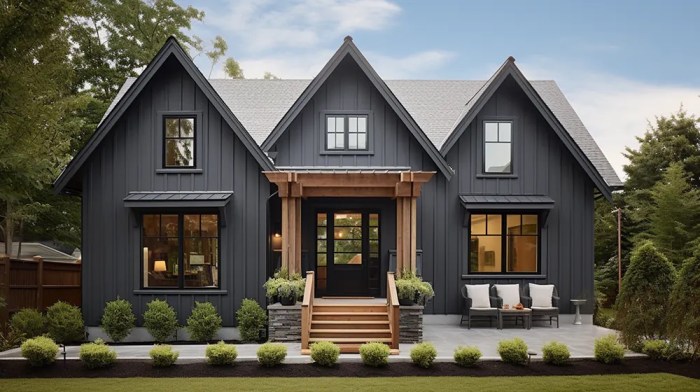
Board and batten siding is a style of exterior cladding where wide boards are vertically installed with narrow strips (battens) covering the seams between the boards. This creates a distinctive look with a rustic or farmhouse appeal.
The historical significance of board and batten exteriors dates back to medieval Europe, where it was commonly used in timber-framed buildings to provide structural support and protection from the elements. Over time, this style evolved and became popular in colonial America, especially in areas where timber was abundant.
Modern-day Popularity of Board and Batten Homes
In recent years, board and batten exteriors have experienced a resurgence in popularity due to their timeless aesthetic and versatility. Many homeowners are drawn to the classic charm and unique texture that board and batten siding can bring to a home.
- Board and batten siding offers excellent durability and can withstand harsh weather conditions, making it a practical choice for homeowners looking for low-maintenance options.
- This style of siding can be customized with different types of wood, finishes, and colors, allowing homeowners to achieve a personalized look that suits their taste and complements the overall design of their home.
Design Elements of Board and Batten Homes
Board and batten homes have a distinct architectural style that sets them apart from other types of homes. The design elements of these homes play a significant role in their overall aesthetic appeal.
Typical Architectural Features
Board and batten homes typically feature a simple yet striking design. They often have a symmetrical facade with vertically installed boards (boards) and narrow strips (battens) covering the seams between the boards. This design creates a charming, rustic look that is both timeless and versatile.
Materials Used for Board and Batten Siding
- Wood: Traditional board and batten homes are constructed using wood for both the boards and battens. Cedar, pine, and redwood are popular choices due to their durability and natural appeal.
- Vinyl: For a more low-maintenance option, vinyl board and batten siding is available in a variety of colors and finishes. It offers excellent durability and resistance to the elements.
- Fiber Cement: This material combines the look of wood with the durability of cement. Fiber cement board and batten siding is resistant to rot, pests, and fire, making it a practical choice for modern homes.
Color Schemes for Enhancing Aesthetic Appeal
Choosing the right color scheme for a board and batten home exterior can greatly enhance its aesthetic appeal. Here are some tips:
- Contrast: Opt for a contrasting color for the boards and battens to create a striking visual impact.
- Neutral Tones: Neutral colors like white, gray, or beige can give a board and batten home a classic and elegant look.
- Dark Colors: Dark shades like navy blue or forest green can add drama and sophistication to the exterior of a board and batten home.
Installation and Maintenance
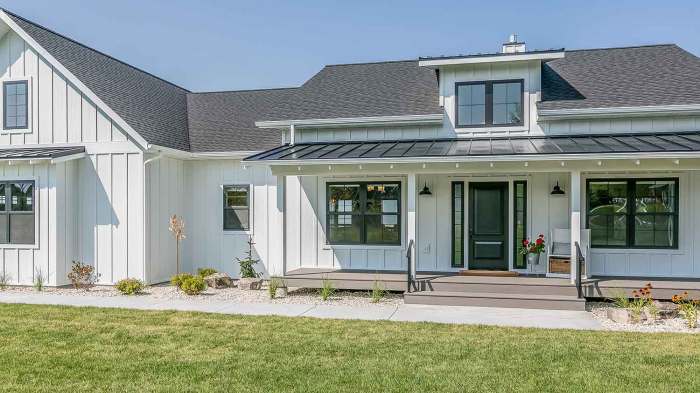
When it comes to board and batten siding, proper installation and maintenance are crucial for the longevity and appearance of your home's exterior. Here's a guide on how to install board and batten siding, along with tips for maintaining it.
Installation of Board and Batten Siding
Installing board and batten siding requires precision and attention to detail. Here are the steps to follow:
- Prepare the surface: Ensure the surface is clean, dry, and properly sheathed before installation.
- Measure and cut the boards: Measure the dimensions of each board accurately and cut them to size.
- Install the boards: Start by installing the vertical boards (boards) first, making sure they are evenly spaced and level.
- Add the battens: Once the boards are in place, add the horizontal battens to cover the joints between the boards.
- Finish with trim: Complete the installation by adding trim around windows, doors, and corners for a polished look.
Maintenance Tips for Board and Batten Homes
Maintaining your board and batten home exterior is essential to preserve its beauty and structural integrity. Here are some tips to keep in mind:
- Regular cleaning: Wash your siding with a mild detergent and water to remove dirt and grime.
- Inspect for damage: Check for any signs of damage, such as rot or pest infestation, and address them promptly.
- Repainting: Repaint your siding every few years to protect it from the elements and maintain its appearance.
- Seal joints: Ensure that the joints between the boards and battens are properly sealed to prevent water infiltration.
Durability of Board and Batten Siding
Board and batten siding is known for its durability and ability to withstand various weather conditions. Compared to other types of siding, such as vinyl or wood clapboard, board and batten siding is often more resilient and long-lasting. Its vertical design helps shed water and prevent moisture-related issues, making it a popular choice for homeowners looking for a sturdy and attractive exterior.
Landscaping and Complementary Features
When it comes to landscaping for a board and batten home exterior, there are several ideas that can complement the unique style and charm of this siding option. Additionally, lighting and architectural details play a crucial role in enhancing the overall curb appeal of a board and batten home.
Landscaping Ideas
- Planting colorful flowers or shrubs along the base of the home can add a pop of color and contrast against the neutral tones of the board and batten siding.
- Creating a pathway lined with stones or gravel leading up to the entrance can provide a rustic and welcoming feel that complements the traditional look of the home.
- Installing window boxes filled with blooming plants under the windows can add a charming touch to the exterior and further enhance its visual appeal.
Enhancing Lighting
- Strategically placing outdoor lighting fixtures such as sconces or lanterns along the front facade can highlight the texture of the board and batten siding and create a warm and inviting atmosphere.
- Using landscape lighting to illuminate trees, bushes, or other features in the yard can create a beautiful backdrop that complements the architectural style of the home.
- Consider installing uplighting to showcase the peaks and angles of the board and batten siding, adding depth and dimension to the overall look.
Architectural Details
- Adding decorative shutters in a contrasting color can create visual interest and break up the large expanses of siding, enhancing the overall aesthetic of the home.
- Incorporating trim around windows, doors, and gables can further define the architectural features of the home and complement the clean lines of the board and batten siding.
- Opt for traditional hardware such as door knockers, handles, or hinges that match the overall style of the board and batten home to tie all the design elements together seamlessly.
Ultimate Conclusion
As we conclude this journey through the world of board and batten home exteriors, the allure of these unique facades lingers. From landscaping to maintenance, every detail plays a role in creating a stunning exterior.
Answers to Common Questions
What are the benefits of board and batten siding?
Board and batten siding offers a timeless look, enhanced durability, and the potential for improved insulation.
Can board and batten exteriors work with different architectural styles?
Yes, board and batten exteriors can complement a variety of architectural styles, from traditional to modern.
How often should I repaint my board and batten home exterior?
It is recommended to repaint board and batten exteriors every 5-10 years, depending on the climate and quality of paint used.