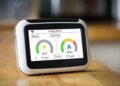
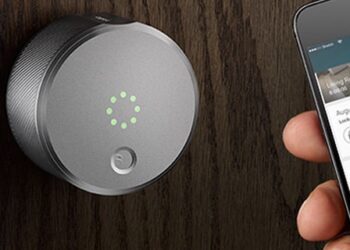
Embark on a journey through the realm of home automation alarm systems tailored for large homes. Discover how these innovative solutions not only provide robust security but also streamline daily living with advanced features.
As we delve deeper into the intricacies of alarm systems for large homes, a world of possibilities unfolds, offering a blend of safety and automation like never before.
Overview of Best Home Automation Alarm Systems for Large Homes
Security is a top priority for homeowners, especially in large homes where the risk of intrusion or theft is higher. Investing in a reliable home automation alarm system provides peace of mind and ensures the safety of your property and loved ones.
Home automation alarm systems offer numerous benefits beyond traditional security measures. These systems are equipped with advanced technology that allows you to monitor and control your home remotely, receive real-time alerts, and integrate with other smart devices for a seamless and efficient security solution.
Key Features to Look for in Alarm Systems for Large Homes
- 24/7 monitoring: Choose a system that offers round-the-clock monitoring to ensure prompt response to any security threats.
- Customizable alerts: Look for systems that allow you to customize alerts based on your preferences, such as motion detection, door/window sensors, and smoke alarms.
- Integration with smart devices: Opt for a system that can be integrated with other smart devices in your home, such as cameras, lights, and thermostats, for a comprehensive security solution.
- Remote access: Ensure the system allows you to monitor and control your security settings remotely through a smartphone app or web portal.
- Backup power source: Consider systems with backup power sources to ensure continuous operation in case of a power outage.
The Necessity of Customization for Larger Properties
When it comes to large homes, one size does not fit all. Customization is essential to ensure that your alarm system is tailored to the specific needs and layout of your property. Factors such as the size of the property, number of entry points, and existing security measures should be taken into account when designing a security system for a large home.
Types of Home Automation Alarm Systems
In the realm of home automation alarm systems, there are various types available to cater to different needs and preferences.Wired vs. Wireless Alarm Systems
When comparing wired and wireless alarm systems, it's essential to consider factors like installation, reliability, and flexibility. Wired systems require professional installation due to the physical wiring needed throughout the house, which can be time-consuming and costly. On the other hand, wireless alarm systems are easier to install and can be DIY-friendly, making them a more convenient option for many homeowners. However, wired systems are generally more reliable since they are not susceptible to wireless interference or signal disruptions, unlike wireless systems.Functionalities of Smart Alarm Systems
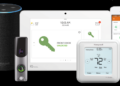
Smart alarm systems offer advanced features that go beyond traditional alarm systems. They can be controlled and monitored remotely through smartphone apps, allowing homeowners to arm/disarm the system, receive real-time alerts, and even integrate with other smart home devices like lights, thermostats, and door locks. Smart alarm systems provide a higher level of customization and convenience, enhancing overall home security.Monitored vs. Unmonitored Alarm Systems
Monitored alarm systems are connected to a central monitoring station that responds to alerts and dispatches emergency services if needed. While monitored systems provide an added layer of security and peace of mind, they often come with monthly monitoring fees. On the other hand, unmonitored alarm systems trigger an alarm but do not contact authorities automatically. Homeowners are responsible for responding to alerts and contacting emergency services themselves. Unmonitored systems are generally more cost-effective but may lack the immediate response provided by monitored systems.Integration of Cameras and Sensors
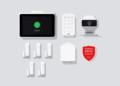
Modern alarm systems often include cameras and sensors for enhanced security and surveillance. Cameras can capture live footage of any suspicious activity inside or outside the home, allowing homeowners to monitor their property remotely. Motion sensors can detect movement and trigger alarms, adding another layer of protection. The integration of cameras and sensors in alarm systems provides comprehensive security coverage and peace of mind for homeowners.Considerations for Choosing Alarm Systems for Large Homes
When selecting an alarm system for a large home, there are several important factors to consider to ensure optimal security and functionality.Assessing the Size and Layout of the Property
It is crucial to evaluate the size and layout of your home before choosing an alarm system. Large homes may require more sensors and cameras to adequately cover all entry points and vulnerable areas. Consider the number of floors, rooms, and outdoor spaces that need to be monitored to determine the most suitable system for your property.
Importance of Scalability for Larger Homes
Scalability is key when selecting an alarm system for a large home. Ensure that the system can easily expand to accommodate additional sensors or devices as needed. This flexibility is essential for adapting to the changing security needs of your property over time.
Significance of Remote Access and Control Features
Remote access and control features allow you to monitor and manage your alarm system from anywhere, providing peace of mind and convenience. Look for systems that offer mobile apps or web portals that enable you to arm/disarm the system, receive alerts, and view live footage remotely.
Compatibility with Other Smart Home Devices
Integrating your alarm system with other smart home devices can enhance the overall security and automation of your large home. Ensure that the alarm system is compatible with popular smart home platforms like Alexa, Google Assistant, or Apple HomeKit to create a seamless connected ecosystem.
Installation and Maintenance of Home Automation Alarm Systems
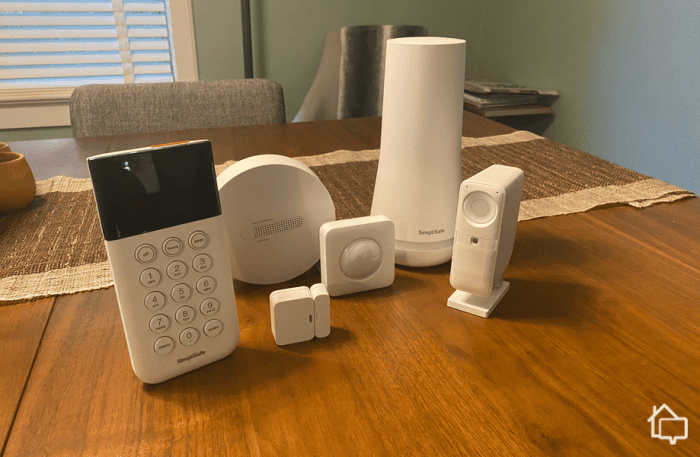 When it comes to installing and maintaining home automation alarm systems in large homes, there are several important considerations to keep in mind. Proper installation and regular maintenance are essential to ensure that the alarm system functions effectively and provides maximum security for your home.
Installation Process for Large Homes
Installing alarm systems in large homes can be a complex process, but following these general steps can help ensure a successful installation:
- Assess your home's layout and determine the best locations for sensors, cameras, and control panels.
- Choose a reputable alarm system provider and select the appropriate system for your home's size and security needs.
- Follow the manufacturer's instructions carefully when installing the system, or hire a professional installer for more complex setups.
- Test the system thoroughly after installation to ensure all components are working correctly.
Recommendations for Maintenance and Upkeep
Regular maintenance is crucial to keep your home automation alarm system in top condition. Here are some recommendations for maintenance and upkeep:
- Check the batteries in all components regularly and replace them as needed to ensure reliable operation.
- Clean and dust sensors and cameras to prevent false alarms and maintain clear visibility.
- Update your system's software and firmware regularly to ensure it is equipped with the latest security features.
- Contact your alarm system provider for periodic maintenance checks and inspections to address any potential issues before they become serious.
Professional Installation vs. DIY Setups
While some homeowners may opt for DIY installation to save money, professional installation offers several advantages, especially for large homes:
Professional installers have the expertise and experience to ensure the system is installed correctly and functions optimally.
Professional installation may also come with warranties and guarantees that DIY setups do not offer.
DIY setups may be more prone to errors and may not provide the same level of security as professionally installed systems.
Troubleshooting Common Issues
When troubleshooting common issues with alarm systems in large homes, consider the following steps:
- Check power sources and connections to ensure all components are receiving power.
- Inspect sensors and cameras for obstructions or damage that may be affecting their performance.
- Review the system's settings and configurations to ensure they are set up correctly for your home's layout and security needs.
- Contact your alarm system provider for technical support if issues persist or if you are unsure how to address them.
Final Wrap-Up
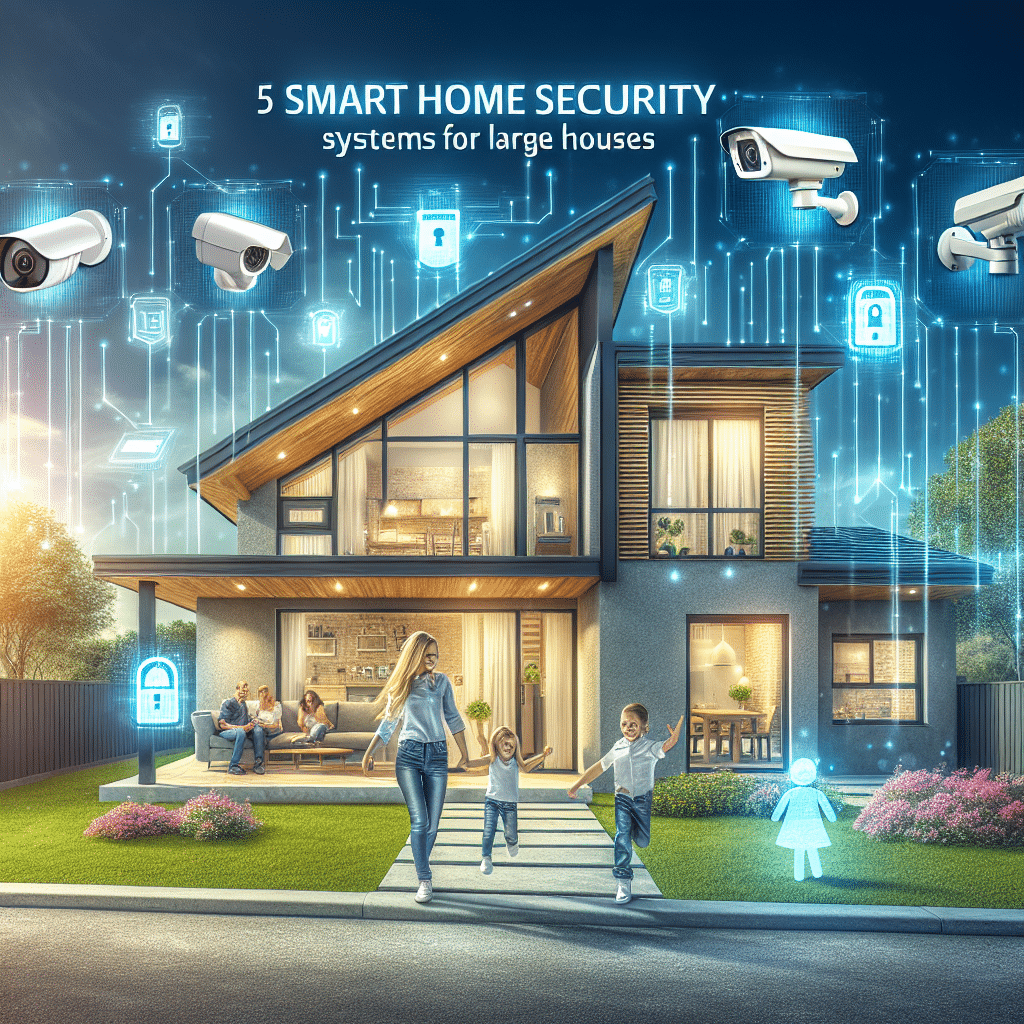
In conclusion, the realm of home automation alarm systems for large homes presents a fusion of security, convenience, and modern technology. With the right system in place, homeowners can enjoy peace of mind and effortless control over their living spaces.
Q&A
What are the benefits of home automation alarm systems for large homes?
Home automation alarm systems not only provide enhanced security but also offer convenience through remote access and smart integrations for a seamless living experience.
How important is customization when selecting alarm systems for larger properties?
Customization is crucial for larger properties as it allows homeowners to tailor the system to their specific needs and address the unique security challenges posed by expansive homes.
What is the difference between monitored and unmonitored alarm systems?
Monitored alarm systems are connected to a monitoring service that alerts authorities in case of an emergency, while unmonitored systems rely on audible alarms without external monitoring.
How can homeowners assess the size and layout of their property when choosing alarm systems?
Homeowners can assess the size and layout of their property by conducting a thorough evaluation of entry points, vulnerable areas, and the overall structure to determine the optimal placement of sensors and cameras.
What role does remote access and control features play in alarm systems for large homes?
Remote access and control features enable homeowners to monitor and manage their alarm systems from anywhere, providing convenience and peace of mind, especially for larger properties.