Global Trends in Kitchen Remodeling
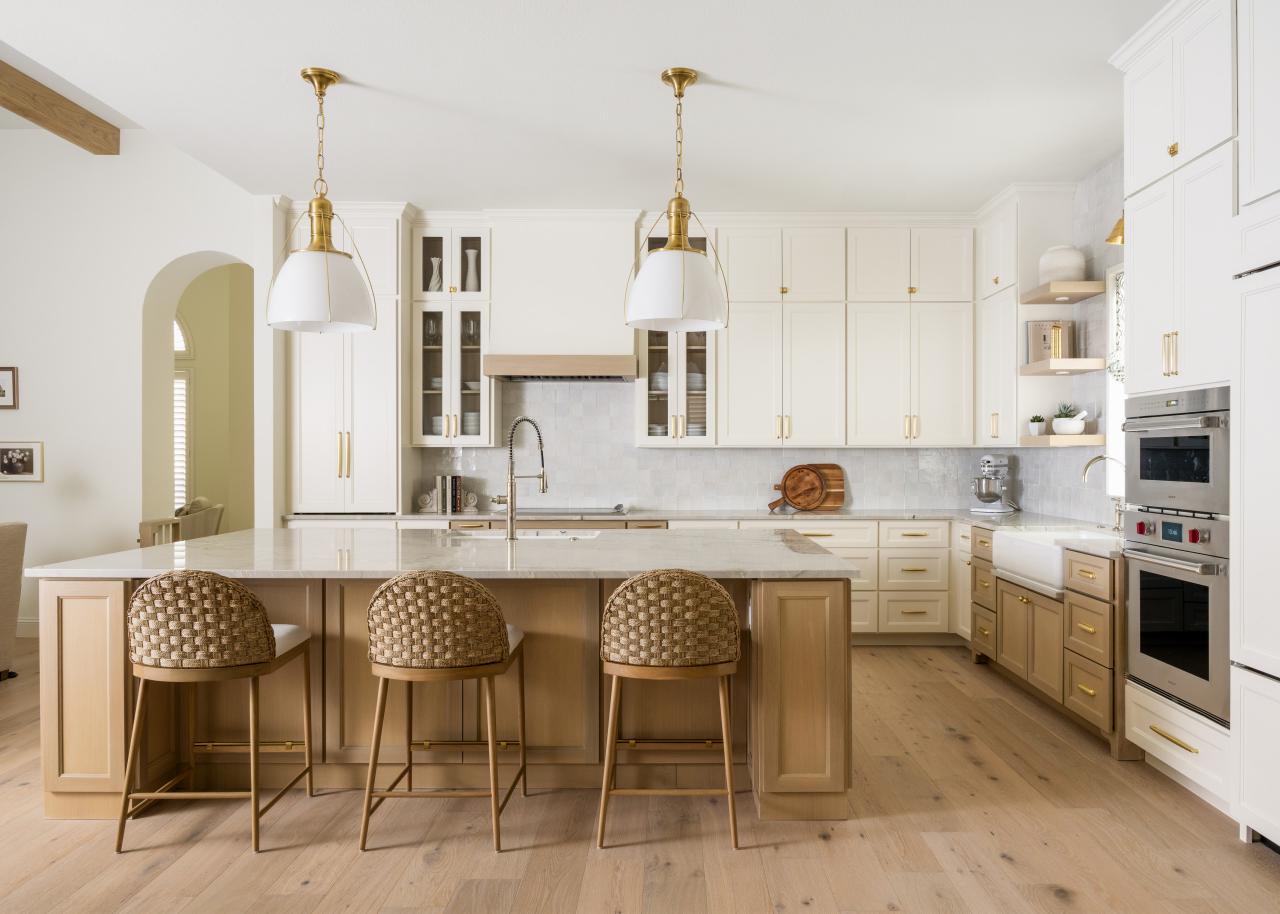
In recent years, kitchen remodeling has become a popular trend worldwide as homeowners seek to upgrade their living spaces. Different global cities have showcased innovative designs and styles that reflect their unique cultural influences. Let's explore some of the current trends in kitchen remodeling and how cultural factors play a significant role in shaping these trends.
Innovative Kitchen Designs in Different Global Cities
- Paris, France: Known for its chic and elegant designs, Parisian kitchens often feature a mix of modern and traditional elements. Marble countertops, ornate cabinetry, and vintage-inspired fixtures are commonly found in kitchens across the city.
- Tokyo, Japan: Japanese kitchens are characterized by minimalism and functionality. Clean lines, hidden storage solutions, and high-tech appliances are staples of Tokyo's kitchen designs.
- New York City, USA: Urban kitchens in NYC focus on maximizing space efficiency. Open shelving, industrial touches, and sleek finishes are popular choices among city dwellers.
- Sao Paulo, Brazil: Brazilian kitchens embrace bold colors and textures. From vibrant tile backsplashes to wooden accents, Sao Paulo's kitchen designs exude warmth and vibrancy.
Cultural Influences on Kitchen Remodeling Trends
Cultural influences play a crucial role in shaping kitchen remodeling trends around the world. For example, in Mediterranean countries like Italy and Spain, kitchens are often designed for communal cooking and dining experiences, with large family-style tables and open layouts.
In contrast, Scandinavian countries prioritize functionality and simplicity, leading to clean and minimalist kitchen designs.
It's fascinating to see how cultural heritage and traditions impact the way kitchens are designed and renovated in different parts of the world.
Sustainable Kitchen Materials
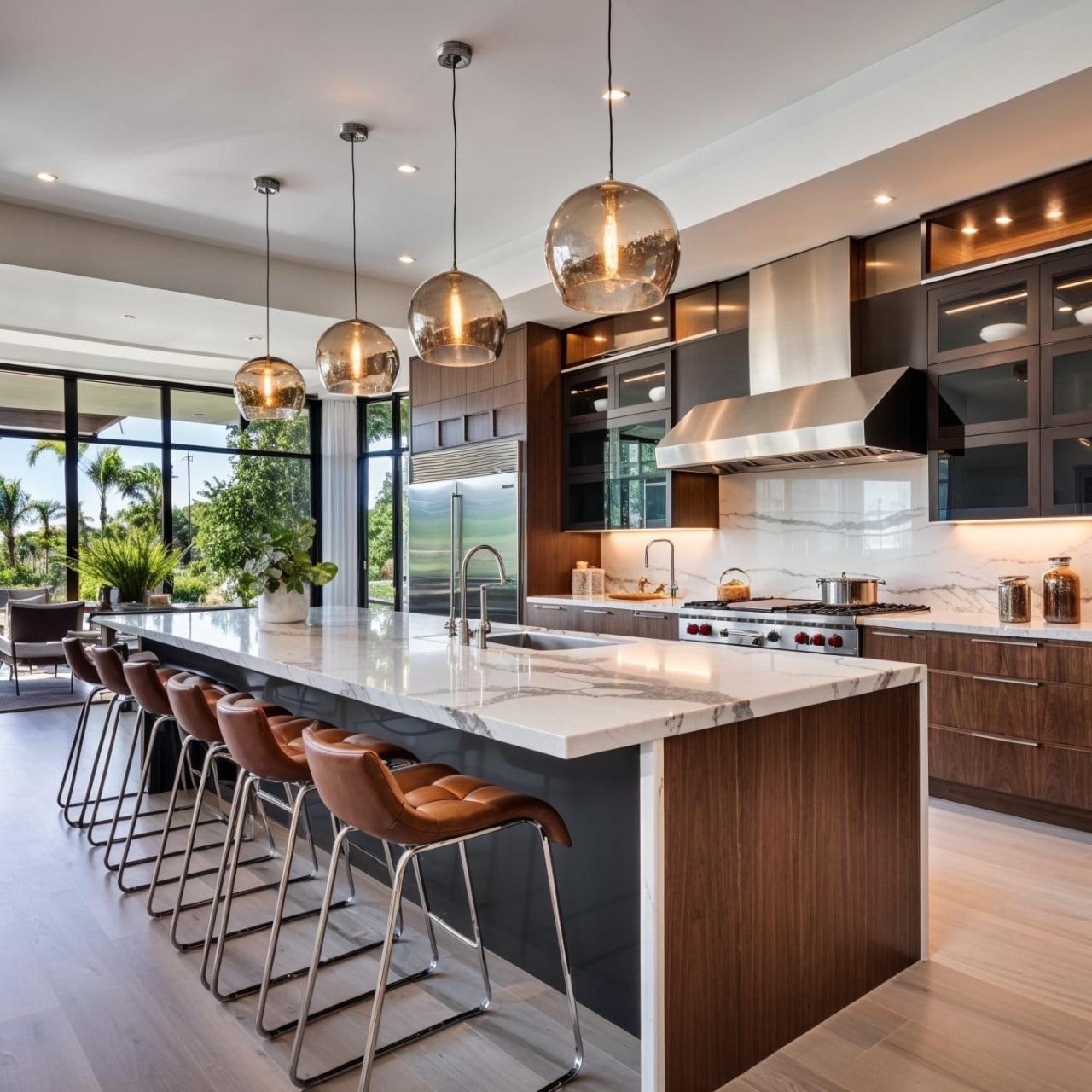
In modern kitchen remodeling, the use of sustainable materials has become increasingly popular due to the focus on eco-friendly practices and creating a greener living environment. These materials not only contribute to a more sustainable lifestyle but also add a unique aesthetic to kitchen designs.
Examples of Sustainable Materials
- Bamboo: Bamboo is a rapidly renewable resource that can be used for flooring, cabinets, and countertops. It is durable and has a beautiful natural look.
- Recycled Glass: Recycled glass countertops are not only stylish but also environmentally friendly as they utilize recycled materials.
- Reclaimed Wood: Reclaimed wood from old barns, factories, or warehouses can be repurposed for kitchen cabinets, shelving, or countertops, adding a rustic charm to the space.
Importance of Eco-Friendly Choices
Choosing sustainable materials for kitchen renovations is essential in reducing the environmental impact of construction and design. By opting for eco-friendly options, homeowners can help conserve natural resources, reduce waste, and lower carbon emissions.
Contribution to Greener Kitchen Design
Sustainable materials play a crucial role in creating a greener kitchen design by promoting energy efficiency, reducing water consumption, and minimizing the use of harmful chemicals. These materials also support sustainable forestry practices and encourage a more environmentally conscious approach to home improvement projects
Smart Technology Integration
Smart technology has revolutionized the way we live, and it's no different when it comes to kitchen renovations. By incorporating the latest smart appliances and devices, homeowners can create a more efficient and convenient kitchen space that meets their needs.
Designing a Smart Kitchen Layout
When designing a kitchen layout that integrates smart technology, it's essential to consider the placement of appliances and devices for optimal functionality. For example, placing smart refrigerators with touchscreens in easily accessible areas can provide quick access to recipes, shopping lists, and family calendars.
Additionally, incorporating smart lighting systems that can be controlled remotely or through voice commands can enhance the ambiance and energy efficiency of the kitchen.
Benefits of Smart Technology in Kitchen Remodeling
- Efficiency: Smart appliances can help streamline daily tasks and reduce energy consumption, ultimately saving time and money.
- Convenience: With features like voice control and remote operation, homeowners can easily manage kitchen tasks from anywhere in the house or even while away.
- Enhanced Functionality: Smart technology can enhance the functionality of kitchen appliances, making cooking, cleaning, and organization more efficient and enjoyable.
- Customization: Many smart appliances offer customizable settings and personalized recommendations based on usage patterns, allowing homeowners to tailor their kitchen experience to their preferences.
Functional Design Solutions for Small Spaces
When it comes to small kitchens in urban settings, maximizing functionality is key. Here are some creative storage solutions and space-saving tips to help you make the most out of your compact kitchen area.
Clever Storage Solutions
- Utilize vertical space by installing floating shelves or cabinets to store items without taking up valuable floor space.
- Choose multi-functional furniture pieces such as a kitchen island with built-in storage or a pull-out pantry for added organization.
- Opt for magnetic strips or hooks to hang utensils and kitchen tools on the walls, freeing up drawer space.
Maximizing Functionality
- Invest in collapsible or stackable kitchenware to save space when not in use.
- Consider installing sliding or folding doors for cabinets and pantry to minimize obstruction in tight areas.
- Use under-cabinet lighting to brighten up the workspace and make the kitchen feel more open and spacious.
Stylish Design in Limited Space
- Choose a light color palette to visually expand the space and create a more airy atmosphere.
- Opt for reflective surfaces such as glass or mirrors to bounce light around the room and make it feel larger.
- Integrate open shelving to display decorative items and add personality to the kitchen without cluttering the space.
General Inquiries
What are some examples of sustainable materials used in modern kitchen remodeling?
Some examples include bamboo flooring, recycled glass countertops, and reclaimed wood cabinets. These materials contribute to a greener kitchen design.
How does smart technology play a role in modern kitchen renovations?
Smart technology enhances convenience and efficiency in the kitchen by incorporating features like smart appliances, automated lighting, and voice-controlled assistants.
What are some creative storage solutions for small kitchens in urban settings?
Creative storage solutions for small kitchens include pull-out pantry shelves, magnetic spice racks, and overhead pot racks to maximize space efficiently.












![Best HVAC Advertising Ideas [Examples Included] | Rival Digital](https://au.radarcirebon.tv/wp-content/uploads/2026/06/Screen-Shot-2022-09-30-at-12.35.47-PM-120x86.png)