Custom home exteriors play a crucial role in shaping the overall look and feel of a property. From selecting materials to choosing color schemes, every decision contributes to the unique personality of a home. In this guide, we delve into the world of custom home exteriors, exploring design trends, material options, color schemes, and sustainable practices that can elevate your property's curb appeal and visual appeal.
Custom Home Exteriors Design
Custom home exteriors play a crucial role in enhancing the overall look and feel of a home. They are the first thing visitors and passersby notice, making a significant impact on the curb appeal of the property.
Popular Trends in Custom Home Exteriors
- Modern Minimalism: Clean lines, neutral colors, and simple designs are gaining popularity in custom home exteriors, giving a sleek and sophisticated look.
- Mixed Materials: Combining different materials like wood, stone, and metal can add texture and visual interest to the exterior of a home.
- Sustainable Design: Eco-friendly elements such as solar panels, green roofs, and energy-efficient windows are becoming more common in custom home exteriors.
Enhancing Curb Appeal with Custom Exteriors
Custom exteriors can significantly boost the curb appeal of a home by creating a unique and inviting facade. Attention to detail, personalized design elements, and high-quality materials all contribute to a striking exterior that sets a home apart from the rest.
Materials for Custom Home Exteriors
When it comes to custom home exteriors, the choice of materials plays a crucial role in determining the overall look, durability, and maintenance requirements of the house. Let's explore some commonly used materials and compare their key characteristics.
Brick
Brick is a classic choice for custom home exteriors, known for its durability and timeless appeal. It offers excellent resistance to fire, pests, and harsh weather conditions. However, brick can be expensive to install and requires occasional repointing to maintain its structural integrity.
Wood
Wood is a versatile and natural material that adds warmth and character to a home. It can be painted or stained in various colors to suit different design preferences. While wood siding requires regular maintenance like painting, staining, and sealing to prevent rot and decay, it provides a charming and traditional look to the exterior.
Vinyl
Vinyl siding is a popular choice for custom home exteriors due to its cost-effectiveness and low maintenance requirements. It comes in a wide range of colors and styles, offering good resistance to moisture, fading, and pests. However, vinyl may crack or fade over time, and replacement can be challenging due to color matching issues.
Stucco
Stucco is a durable and versatile material that can be applied to various architectural styles. It offers excellent thermal insulation and noise reduction properties. Stucco requires minimal maintenance, mainly periodic cleaning and repainting to refresh its appearance. However, stucco can crack over time, especially in regions with frequent temperature fluctuations.
Color Schemes and Finishes
When it comes to custom home exteriors, the color scheme and finishes play a crucial role in the overall aesthetics and appeal of the property. The right color palette can enhance the architectural design, blend seamlessly with the surroundings, and create a welcoming atmosphere for residents and visitors alike.Different finishes, whether matte, glossy, textured, or metallic, can completely transform the look of a home.
They can add depth, dimension, and character to the exterior, making it stand out in the neighborhood. Choosing the right finish is essential to achieving the desired look and feel for the property.
Impact of Color Schemes
Color schemes have a significant impact on the overall appearance of custom home exteriors. They can evoke certain emotions, create visual interest, and even affect the perceived size of a property. Here are some key points to consider when selecting a color scheme:
- Consider the architectural style of the home and choose colors that complement its design.
- Take into account the landscape, natural surroundings, and climate of the area when selecting colors.
- Use a mix of colors to create contrast and highlights, such as pairing a dark exterior with lighter trim.
- Test paint samples on the actual exterior to see how they look in different lighting conditions before making a final decision.
Different Finishes and Their Effects
The choice of finish can greatly impact the aesthetics of a home exterior. Here are some common finishes and their effects:
| Finish | Effect |
|---|---|
| Matte | Creates a soft, understated look that is ideal for traditional or modern homes. |
| Glossy | Provides a sleek, polished appearance that reflects light and adds a touch of luxury. |
| Textured | Adds depth and visual interest to the exterior, hiding imperfections and enhancing architectural details. |
| Metallic | Offers a modern, industrial look with a subtle shimmer that catches the eye. |
Tips for Choosing the Right Color Palette
Selecting the perfect color palette for custom home exteriors can be a daunting task, but these tips can help streamline the process:
- Consider the overall vibe you want to achieve, whether it's warm and inviting or sleek and contemporary.
- Look for inspiration in nature, architecture, or design magazines to find color combinations that resonate with you.
- Take into account the permanent features of the home, such as the roof color and landscaping, when selecting exterior colors.
- Use online tools or consult with a professional designer to create a cohesive color palette that enhances the curb appeal of your home.
Sustainable Practices in Custom Exteriors
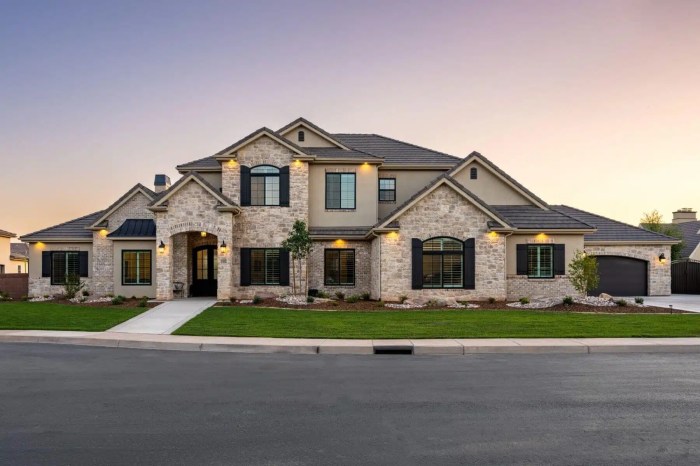
When it comes to designing custom home exteriors, incorporating sustainable practices is essential not only for reducing environmental impact but also for creating a healthier living space for homeowners.
By utilizing eco-friendly materials and practices, custom home exteriors can contribute to energy efficiency, reduce waste, and promote sustainability in the construction industry. Here are some key considerations for sustainable custom exteriors:
Eco-Friendly Materials and Practices
- Utilizing recycled or reclaimed materials for siding, roofing, and landscaping can reduce the need for new resources and minimize waste.
- Choosing sustainable wood products like bamboo or cedar for decking and outdoor structures can help preserve forests and promote responsible forestry practices.
- Installing energy-efficient windows and doors with high insulation properties can improve thermal performance and reduce energy consumption for heating and cooling.
Energy-Efficient Solutions for Custom Exteriors
- Integrating solar panels or green roofs into the design can generate renewable energy and improve insulation, reducing reliance on traditional power sources.
- Implementing proper insulation and ventilation systems in the exterior walls and roof can enhance energy efficiency and indoor comfort levels.
- Incorporating smart technology for lighting, irrigation, and climate control can optimize energy usage and reduce utility costs over time.
Closure
As we conclude our exploration of custom home exteriors, it's evident that the exterior design of a home is not just about aesthetics but also about functionality and sustainability. By incorporating personalized touches and eco-friendly solutions, homeowners can create a space that reflects their style while contributing positively to the environment.
Whether it's choosing the right materials, experimenting with color palettes, or embracing sustainable practices, the possibilities for custom home exteriors are endless, allowing homeowners to truly make their mark on their property.
FAQ Section
What are the benefits of opting for custom home exteriors?
Custom home exteriors allow homeowners to personalize their property, enhance curb appeal, and create a unique visual statement that sets their home apart.
How do color schemes impact the overall look of custom home exteriors?
Color schemes can dramatically influence the aesthetic appeal of custom home exteriors, transforming the mood and style of a property.
Which materials are commonly used for custom home exteriors?
Common materials for custom home exteriors include brick, wood, vinyl, and stucco, each offering unique characteristics and durability.
What sustainable practices can be incorporated into custom exterior design?
Sustainable practices such as using eco-friendly materials, energy-efficient solutions, and implementing green building techniques can enhance the sustainability of custom home exteriors.