Exploring the differences between custom built homes and modular homes, this article delves into the unique aspects of each housing option. From design flexibility to cost considerations, readers will gain valuable insights into which type of home construction suits their needs best.
As we navigate through the intricacies of custom built homes and modular homes, the following paragraphs will shed light on various factors to consider when choosing your next dream home.
Custom Built Homes
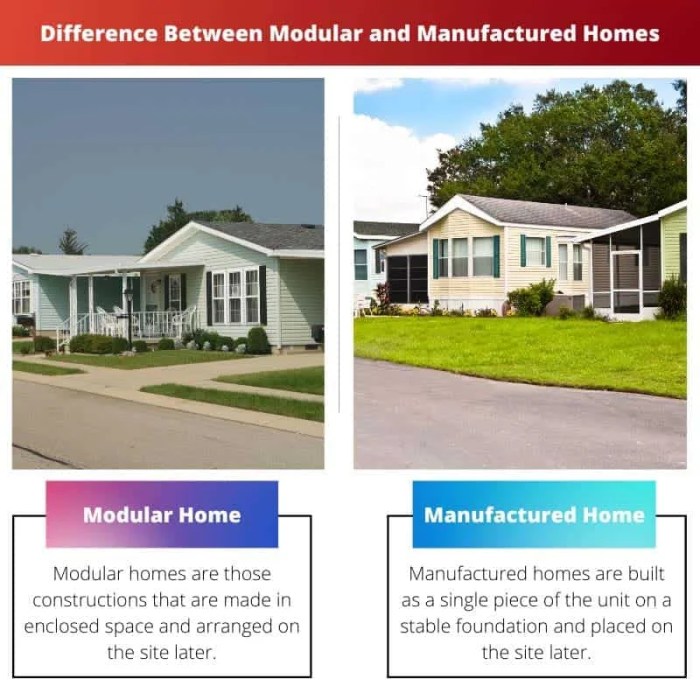
When it comes to designing a custom-built home, the process typically starts with a consultation between the homeowner and an architect or builder. During this initial phase, the homeowner can express their vision, preferences, and specific requirements for their dream home.
The design is then carefully crafted to ensure every detail aligns with the homeowner's wishes.
Opting for a custom-built home over a modular home comes with several benefits. One of the main advantages is the ability to personalize every aspect of the home to suit the homeowner's lifestyle and taste. From the layout and floor plan to the finishes and fixtures, custom-built homes offer a level of customization that modular homes simply cannot match.
Customization Options
- Layout and floor plan design tailored to the homeowner's needs.
- Selection of high-quality materials and finishes to match personal style.
- Integration of smart home technology and energy-efficient features.
- Ability to incorporate unique architectural elements and design details.
Cost Considerations
While custom-built homes offer unparalleled customization options, they also come with a higher price tag compared to modular homes. The cost of a custom-built home can vary significantly based on factors such as the size of the home, location, materials used, and level of customization.
Homeowners should carefully consider their budget and priorities when deciding between a custom-built home and a modular home.
Modular Homes
Modular homes are prefabricated houses that consist of multiple sections or modules built in a factory setting and then transported to the construction site for final assembly.
Assembly Process of Modular Homes
- Modular homes are constructed in a climate-controlled factory, which ensures precision and quality control.
- Each module is built separately, including walls, floors, ceilings, and even pre-installed plumbing and electrical systems.
- Once the modules are completed, they are transported to the site and assembled together to form the complete structure of the house.
Advantages of Choosing a Modular Home
- Cost-effective: Modular homes are often more affordable than custom-built homes due to the streamlined construction process.
- Time-efficient: The assembly of modular homes is quicker since much of the construction work is done in a factory, reducing on-site labor time.
- Quality control: Factory construction ensures consistent quality and adherence to building codes.
- Eco-friendly: Modular homes produce less waste during construction and are often more energy-efficient.
Time Efficiency of Constructing a Modular Home
- Modular homes can be constructed in a fraction of the time it takes to build a custom home, as much of the work is done off-site.
- Reduced construction time means quicker occupancy of the home, which can be advantageous for those on tight timelines.
Design Limitations of Modular Homes
- Modular homes often have design limitations compared to custom-built homes, as they are built in sections and must adhere to transportation restrictions.
- Customization options may be limited, especially when it comes to unique architectural features or non-standard layouts.
Quality and Durability
Custom-built homes and modular homes differ in terms of the quality of materials used, durability aspects, quality control, and energy efficiency.
Quality of Materials
Custom-built homes typically use higher quality materials compared to modular homes
Durability
Custom-built homes are often considered more durable than modular homes due to the craftsmanship and attention to detail involved in the construction process. Custom builders can ensure that every aspect of the home is built to last, from the foundation to the roof.
In contrast, modular homes may be more susceptible to wear and tear over time, as they are built in sections off-site and transported to the final location for assembly.
Quality Control
Custom-built homes undergo rigorous quality control measures throughout the construction process. Builders can closely monitor the quality of materials and workmanship to ensure that the final product meets the highest standards. On the other hand, modular homes may have less stringent quality control measures, as the assembly process relies on standardized components and may involve multiple contractors in different locations.
Energy Efficiency
Custom-built homes can be designed with energy efficiency in mind, incorporating features like solar panels, energy-efficient appliances, and superior insulation. Builders have the freedom to implement the latest green building techniques to reduce energy consumption and lower utility costs. In comparison, modular homes may have limited options for energy-efficient upgrades, depending on the manufacturer and design limitations.
Resale Value and Appreciation
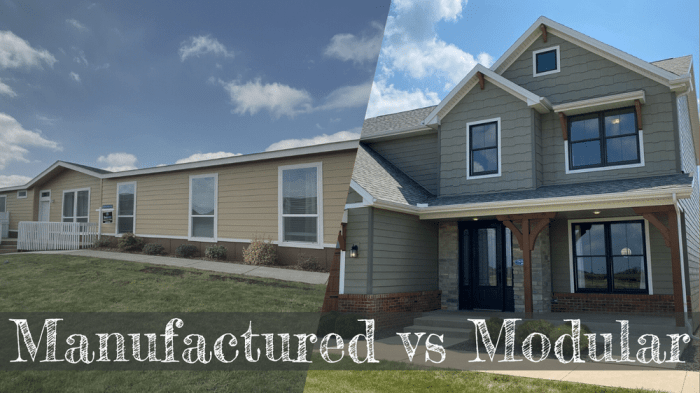
When it comes to resale value and appreciation, custom-built homes and modular homes have distinct characteristics that can influence their market value over time.
Resale Value
- Custom-built homes typically have higher resale values compared to modular homes. This is often due to the unique design, premium finishes, and personalized features that custom-built homes offer.
- Modular homes, on the other hand, are usually mass-produced and may lack the customization and high-end features that can attract buyers willing to pay a premium price.
- The craftsmanship and attention to detail in custom-built homes often contribute to their higher resale value, as buyers are willing to invest more in a home that is specifically tailored to their needs and preferences.
Appreciation Factors
- Factors that influence the appreciation of custom-built homes include the quality of materials used, the location of the property, and the overall design and layout of the home.
- Modular homes may appreciate at a slower rate compared to custom-built homes, as they are often perceived as less unique and may not offer the same level of customization options.
- Custom-built homes that are well-maintained and located in desirable neighborhoods tend to appreciate more consistently over time, making them a potentially lucrative long-term investment.
Long-Term Investment Potential
- Custom-built homes have the potential to provide a higher return on investment over the long term, especially if the property is located in a prime location and features high-quality craftsmanship and design.
- Modular homes may still appreciate in value, but the rate of appreciation may be slower compared to custom-built homes, making them a better option for buyers looking for more affordable housing solutions.
Market Perception
- In the real estate market, custom-built homes are often seen as prestigious and exclusive, attracting buyers who are willing to pay a premium for a one-of-a-kind property.
- Modular homes, while more cost-effective and efficient in terms of construction, may face challenges in terms of market perception due to the preconceived notions of lower quality and lack of customization.
- The demand for custom-built homes is generally higher in upscale neighborhoods and luxury markets, where buyers are seeking unique and bespoke living spaces.
Final Thoughts
In conclusion, the decision between custom built homes and modular homes ultimately boils down to individual preferences and priorities. Whether you value customization or efficiency, durability or resale value, each option offers distinct advantages. By weighing the pros and cons Artikeld in this discussion, prospective homeowners can make an informed choice that aligns with their vision of the ideal living space.
FAQ Summary
What are the key differences in the design process between custom built homes and modular homes?
Custom built homes involve a unique design tailored to the homeowner's preferences, while modular homes follow a standardized assembly process with limited customization options.
How do the quality and durability of materials in custom built homes compare to those in modular homes?
Custom built homes often use higher quality materials due to the personalized nature of the construction, leading to potentially greater durability compared to modular homes.
What factors typically influence the resale value of custom built homes versus modular homes?
Custom built homes tend to retain their value better over time, especially if they are well-maintained and feature unique design elements that appeal to buyers.