Delving into the realm of commercial siding and roofing services, this exploration promises to unveil the intricacies and importance of quality materials and expert installations. Brace yourself for a journey filled with valuable insights and practical tips in the world of commercial construction.
Overview of Commercial Siding and Roofing Services
Quality siding and roofing are essential for commercial buildings to ensure the safety, durability, and aesthetics of the structure. Properly installed siding and roofing protect the building from harsh weather conditions, water damage, and other external elements, helping to maintain a comfortable indoor environment for occupants.
While residential and commercial siding and roofing services share similarities, such as the need for proper installation and maintenance, there are key differences between the two. Commercial buildings often have larger surface areas, more complex designs, and specific regulations to adhere to, requiring specialized skills and equipment for installation and repairs.
Types of Materials Used in Commercial Siding and Roofing Projects
- Metal: Durable and long-lasting, commonly used in commercial roofing for its resistance to fire, wind, and pests.
- EPDM (Ethylene Propylene Diene Monomer): A synthetic rubber material often used for flat roofs due to its flexibility and weather resistance.
- Vinyl: Lightweight and cost-effective, suitable for commercial siding projects with a wide range of colors and textures available.
- Modified Bitumen: Asphalt-based material used in low-slope commercial roofing for its durability and waterproofing properties.
Key Factors to Consider When Choosing Commercial Siding and Roofing Services
- Experience and Expertise: Look for contractors with a proven track record in commercial projects and knowledge of industry standards.
- Quality of Materials: Ensure the use of high-quality materials that meet building codes and standards for longevity and performance.
- Cost and Budget: Consider the overall cost of the project, including installation, maintenance, and potential repairs, to stay within budget constraints.
- Timeline and Project Management: Choose a contractor who can complete the project efficiently and within the specified timeframe to minimize disruptions to business operations.
- Warranty and Maintenance: Inquire about warranties on materials and workmanship, as well as maintenance plans to prolong the lifespan of the siding and roofing.
Commercial Siding Services
Installing siding on a commercial building is a crucial part of ensuring the structure's durability and aesthetic appeal. The process involves several key steps, including:
Types of Siding Materials
- Vinyl Siding: Known for its affordability, low maintenance, and wide range of colors and styles.
- Metal Siding: Offers durability, fire resistance, and can mimic the look of other materials like wood or stone.
- Fiber Cement Siding: Resistant to rot, fire, and insects, with a long lifespan and minimal maintenance requirements.
- Wood Siding: Provides a natural, classic look but requires more maintenance to prevent rot and pest infestations.
Commercial Siding Design Trends
- Modern Minimalist: Clean lines, neutral colors, and simple textures for a sleek and contemporary appearance.
- Mixed Materials: Combining different siding materials for a unique and visually appealing facade.
- Eco-Friendly Options: Utilizing sustainable materials like recycled wood or fiber cement to reduce environmental impact.
Maintenance Requirements
- Regular Cleaning: Remove dirt, debris, and mold to prevent damage and maintain the siding's appearance.
- Inspections: Check for any signs of damage, such as cracks, warping, or loose panels, to address issues promptly.
- Repairs and Replacements: Fix any damaged sections or replace siding panels as needed to prevent further deterioration.
Commercial Roofing Services
When it comes to commercial roofing, there are various types of roofing systems available to choose from. Each type has its own advantages and is suitable for different commercial properties depending on factors such as climate, budget, and building structure.
Types of Commercial Roofing Systems
- Single-Ply Roofing: This type of roofing system is popular for its lightweight and easy installation. It includes materials like TPO, PVC, and EPDM.
- Metal Roofing: Known for its durability and longevity, metal roofing is a great option for commercial buildings. It comes in various materials such as steel, aluminum, and copper.
- Built-Up Roofing (BUR): This traditional roofing system consists of multiple layers of bitumen and reinforcing fabrics like fiberglass or polyester.
- Modified Bitumen Roofing: This system is a variation of BUR and is known for its flexibility and resistance to temperature changes.
The Importance of Proper Insulation
Proper insulation in commercial roofing is crucial for maintaining energy efficiency and reducing utility costs. It helps regulate indoor temperatures, prevents heat loss or gain, and extends the lifespan of the roofing system.
Regular Roof Inspections and Maintenance
Regular roof inspections and maintenance are essential for commercial properties to identify and address any issues early on. This proactive approach can prevent costly repairs or replacements in the long run, ensuring the safety and integrity of the building.
Tips for Choosing the Right Roofing Material
- Consider the climate and weather conditions of the location.
- Evaluate the lifespan and durability of the roofing material.
- Factor in the maintenance requirements and long-term costs.
- Consult with roofing professionals to determine the best fit for your specific commercial building.
Benefits of Professional Commercial Siding and Roofing Services
When it comes to commercial siding and roofing projects, hiring professional contractors can offer numerous advantages. From improved energy efficiency to enhanced safety measures, here are some key benefits of opting for professional services:
Enhanced Energy Efficiency
- Professional contractors are skilled in installing energy-efficient materials that can help reduce heating and cooling costs in commercial buildings.
- Proper insulation and sealing techniques can prevent air leaks, resulting in a more comfortable indoor environment and lower energy bills.
- Quality siding and roofing materials can also contribute to the overall sustainability of a commercial property.
Improved Safety Measures
- Professional contractors follow strict safety protocols to ensure that the installation process is carried out without any accidents or injuries.
- They have the necessary training and equipment to work at heights safely, minimizing the risk of falls or other on-site hazards.
- Compliance with building codes and regulations is also ensured, guaranteeing a safe and secure commercial building for occupants and visitors.
Success Stories and Case Studies
- A commercial building in downtown area saw a significant decrease in energy consumption after a professional roofing service installed a reflective roof coating, resulting in lower utility bills.
- Another company reported improved employee morale and productivity after upgrading their siding with high-quality, aesthetically pleasing materials.
- By investing in professional services, businesses have not only enhanced the curb appeal of their properties but also increased their overall value and marketability.
Closing Summary
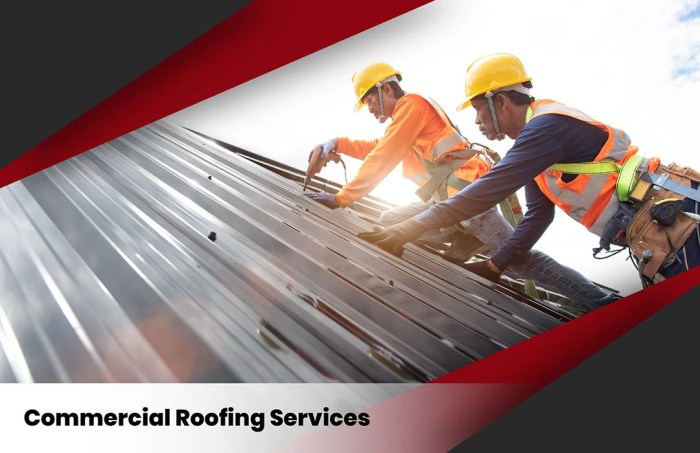
As we draw the curtains on this discussion, remember that the foundation of any commercial building lies in its siding and roofing. By prioritizing professional services and quality materials, you pave the way for a sturdy and efficient structure that stands the test of time.
Top FAQs
What are the key factors to consider when choosing commercial siding and roofing services?
Consider factors like material durability, weather resistance, energy efficiency, and the expertise of the contractors.
What are some common types of materials used in commercial siding and roofing projects?
Materials like metal, vinyl, fiber cement, and wood are commonly used in commercial construction.
How can professional services improve energy efficiency in commercial buildings?
Professional contractors can install high-quality insulation and energy-efficient materials to enhance the building's energy efficiency.
Why is regular roof maintenance important for commercial properties?
Regular maintenance helps identify potential issues early, prolongs the lifespan of the roof, and ensures the safety of the building.